Crypto wash trading in Australia: what it is and why it matters
Crypto wash trading inflates token volumes and distorts price signals, yet it remains poorly understood by many Australian investors. Here's what it is and why regulators are paying closer attention.

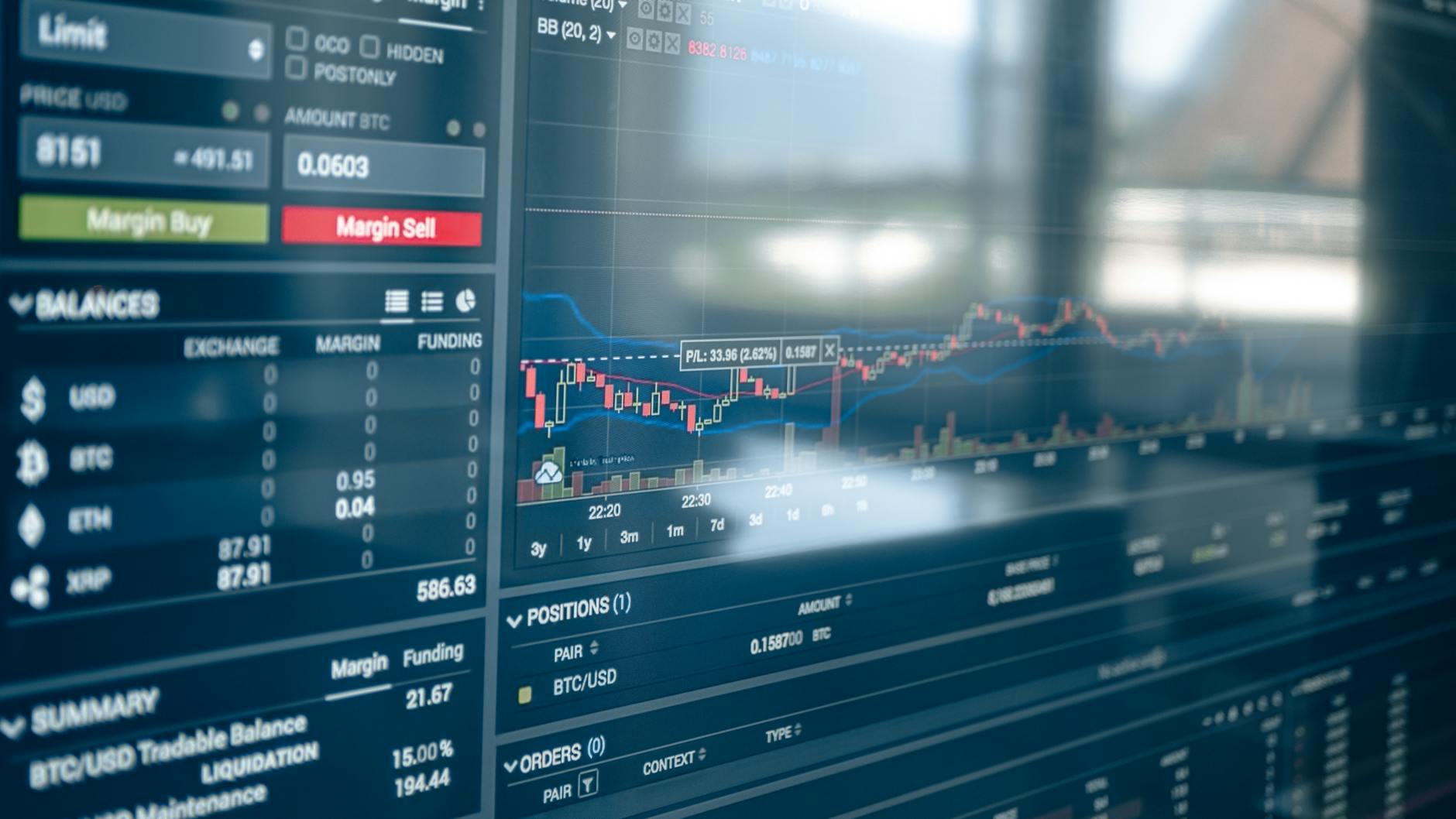
Photo by George Morina on Pexels
Crypto wash trading occurs when an investor buys and sells the same asset to themselves, or coordinates trades with a counterparty, to create artificial volume. The trades look real on an exchange's order book, but no genuine change of ownership takes place. In Australia, wash trading sits at the intersection of market manipulation law, Australian Taxation Office (ATO) rules, and the broader push by ASIC to bring crypto markets under closer oversight.
How wash trading works in practice
The mechanics are straightforward. A trader holds 10,000 units of a token and places a sell order, then uses a second account to buy those same units at or near the same price. The exchange records two transactions. Volume metrics climb. Token screeners and data aggregators pick up the activity and surface the token to other traders looking for liquid assets. No real buyer entered the market.
Wash trading is not new. It emerged in traditional commodity markets in the United States in the early twentieth century and was banned under US law in 1936. Crypto markets inherited the behaviour partly because many offshore exchanges operate with weak or absent surveillance tools, and partly because inflated volume serves commercial interests: exchange ranking sites have historically sorted tokens by trading volume, rewarding wash trading with visibility.
Research published by academic teams and blockchain analytics firms has estimated that wash trading accounts for a significant share of reported volume on unregulated exchanges. The figures vary by methodology, but analyses of specific exchange data have found that a substantial portion of reported volume on some venues cannot be explained by independent trading activity.
The Australian regulatory picture
In Australia, wash trading in financial markets is prohibited under the Corporations Act 2001, which bans transactions that create a false or misleading appearance of active trading. Whether that prohibition extends cleanly to crypto assets depends on how an asset is classified. ASIC has signalled that many tokens meet the definition of a financial product, which would bring wash trading in those tokens under existing market manipulation provisions.
The ATO adds a separate layer. Crypto-to-crypto trades are taxable events in Australia. A wash trade that cycles through a token, even at the same price, technically triggers a disposal and an acquisition for capital gains tax purposes. Traders who use wash trading to inflate paper losses and offset gains elsewhere face the risk that the ATO disallows those losses, particularly if the transactions lack commercial substance. The ATO's guidance on crypto tax loss harvesting is relevant here: the ATO distinguishes between genuine loss realisation and arrangements designed purely to manufacture a tax outcome.
Who does wash trading actually hurt?
Retail investors bear most of the cost. A trader who spots a token with strong volume metrics and interprets that as genuine market interest may buy at an inflated price, only to find volume collapses once the wash trading stops. Liquidity evaporates. The price falls. The retail buyer holds a loss while the party who engineered the volume has already exited.
Market infrastructure suffers too. Exchanges that allow wash trading attract regulatory scrutiny and lose the trust of institutional investors who rely on clean data. Data providers that aggregate volume without filtering for wash trading publish misleading signals to anyone using their feeds for research or algorithmic strategy. The problem compounds when those feeds flow into trading tools that Australian investors rely on for market access.
Staking returns can also be distorted indirectly. When token prices are manipulated upward through wash trading, yield figures expressed as a percentage of token price appear compressed, giving a false read on real returns. Investors weighing Ethereum staking and the tax rules that apply to staking rewards should account for the possibility that short-term price signals in smaller token markets may not reflect genuine demand.
How to spot it
No single indicator is definitive, but several patterns appear consistently in wash-traded assets.
- Volume-to-market-cap ratios that are implausibly high relative to peer assets in the same category.
- Trade patterns that repeat at fixed intervals, suggesting automated cycling between accounts.
- Order books that show depth but clear immediately at the same price, with no price movement despite large reported volume.
- Blockchain analytics tools that trace token transfers and show the same wallet addresses appearing on both sides of trades in rapid succession.
Blockchain analytics firms including Chainalysis and Nansen have built wash trading detection into their products, and Australian exchanges subject to ASIC oversight are expected to run similar surveillance internally.
What Australian investors should do
Australian investors can take practical steps to reduce their exposure to wash-traded markets. Sticking to assets listed on regulated Australian exchanges, or major offshore exchanges with demonstrable compliance programmes, reduces but does not eliminate the risk. Cross-checking volume figures across multiple data providers, rather than trusting a single source, surfaces discrepancies. Treating volume alone as a signal of liquidity is the mistake most retail investors make. Price impact on actual trades, spread width, and order book depth give a cleaner picture.
From a tax perspective, Australian investors who have participated in wash-like trading, even inadvertently through automated bot strategies, should seek advice on whether those trades have created genuine taxable events. The ATO's substance-over-form approach means that transactions designed primarily to generate tax outcomes, rather than real investment positions, carry elevated audit risk.
ASIC's ongoing work on crypto asset regulation means the legal treatment of wash trading is likely to become more explicit as licensing frameworks for digital asset exchanges take shape. Investors and operators who understand where the boundaries sit now will be better prepared when that framework arrives.