G2E Asia 2026: what Australian iGaming operators need to know
G2E Asia is one of the Asia-Pacific region's most significant iGaming trade events, drawing operators, suppliers, and regulators from across the market. Here is what Australian industry professionals should know about the 2026 edition.

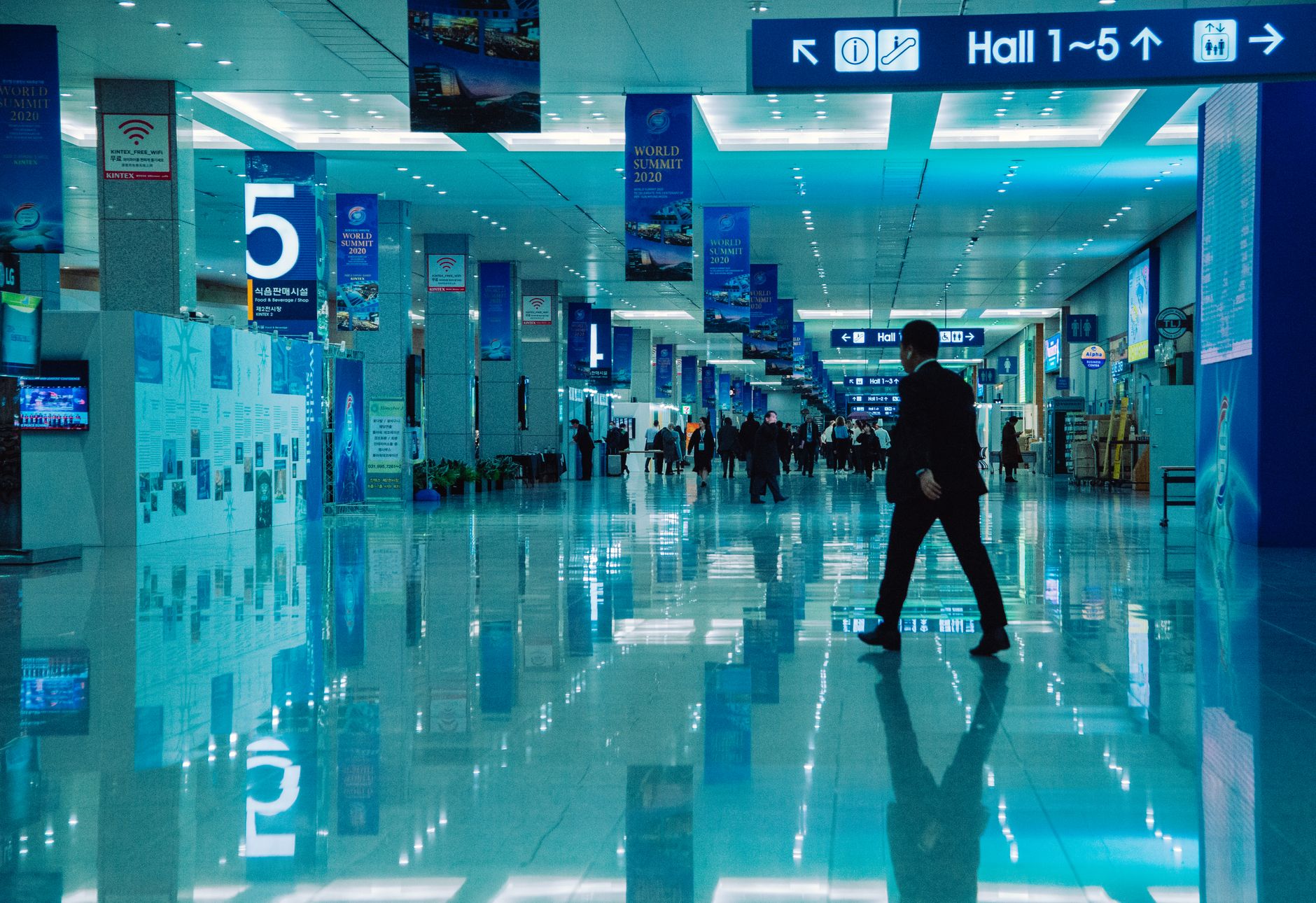
Photo by wal_ 172619 on Pexels
G2E Asia is one of the most closely watched trade events on the Asia-Pacific iGaming calendar, bringing together operators, technology suppliers, regulators, and investors under one roof each year. For Australian iGaming businesses with regional ambitions or cross-border supplier relationships, the event has become a genuine commercial fixture rather than a discretionary trip. The 2026 edition carries particular weight, with the broader Asia-Pacific market undergoing significant regulatory and commercial shifts that directly affect Australian operators.
What G2E Asia actually is
G2E Asia, formally the Global Gaming Expo Asia, is produced by the American Gaming Association in partnership with Reed Exhibitions. The event is held in Macao and covers the full spectrum of commercial gaming: casino operations, online wagering platforms, sports betting technology, payments, responsible gambling tools, and regulatory compliance. For online-focused operators, the B2B exhibition floor is where supplier relationships are built and renewed. Conference sessions cover market-specific regulation, emerging technology, and consumer behaviour across the region's diverse jurisdictions.
The event draws thousands of attendees annually from across the Asia-Pacific region, with strong representation from Macao, the Philippines, Singapore, Japan, South Korea, and increasingly from Australia. For Australian operators and suppliers, attendance serves several purposes at once: scouting technology partners, monitoring competitor moves, and building relationships with regulators and investors who shape the markets into which they may be considering expansion.
Why 2026 matters for Australian attendees
The Asia-Pacific regulatory landscape has shifted considerably entering 2026. Japan's integrated resort framework continues to develop, the Philippines has refined its PAGCOR-licensed online operator structure, and several smaller jurisdictions are actively courting investment. Australian operators monitoring Japan's iGaming market opening will find G2E Asia an important venue for reading the pace of that development firsthand, with Japanese gaming executives and regulators typically present across the event's conference programme.
At the same time, domestic pressures are pushing Australian operators to think more deliberately about their technology stack and their supplier relationships. Platform capability, responsible gambling tooling, and payment infrastructure are all areas where the Australian conference circuit has been raising operator awareness, and G2E Asia offers a direct line to the global suppliers behind those capabilities. Operators who have been following the Australian iGaming events calendar will recognise many of the same themes appearing on the G2E Asia agenda, viewed from a regional rather than purely domestic lens.
Key themes on the 2026 agenda
Several broad themes are expected to define the G2E Asia 2026 programme for online-focused attendees:
- AI and platform personalisation: Supplier presentations will cover how machine learning is being applied to player segmentation, product recommendation, and churn reduction across Asian markets. Australian operators who have already begun investing in AI-driven product capabilities will find useful benchmarking in how peers across the region are approaching deployment at scale.
- Payment infrastructure: Cross-border payment solutions, digital wallets, and the regulatory treatment of emerging payment methods remain active discussion points across Asian jurisdictions. Australian operators navigating their own evolving payments environment will find relevant signal here.
- Responsible gambling standards: Regulatory pressure on harm minimisation has grown across the Asia-Pacific, and G2E Asia's compliance sessions reflect that. Operators from markets with mature responsible gambling frameworks, including Australia, increasingly participate as contributors rather than solely as learners.
- Sports betting technology: The rise of in-play and same-game products across Asian markets mirrors trends that have reshaped Australian wagering. Supplier announcements in this space tend to surface at G2E Asia before they reach domestic trade events.
How Australian operators are approaching attendance
For most Australian iGaming businesses, G2E Asia attendance is handled at the senior leadership level: chief product officers, technology leads, business development executives, and regulatory affairs professionals. The event's value is concentrated in structured meetings arranged before the floor opens, supplemented by conference sessions and evening networking that carry as much commercial weight as the daytime programme.
Smaller operators and specialist suppliers from Australia often attend as part of shared booths or through industry association coordination, which reduces the cost burden while preserving access to the floor. For Australian businesses that are newer to the regional circuit, the event offers exposure to the full range of B2B suppliers available in the market, many of whom do not attend domestic Australian conferences.
Practical considerations for Australian attendees
Macao operates on a different commercial rhythm to Sydney or Melbourne. Meetings are dense and the event floor moves quickly, so preparation matters. Australian delegates who have attended previously tend to note a few consistent priorities: book meetings two to three weeks in advance, allocate time for walking the exhibition floor without a schedule, and plan for at least one day of follow-up time before returning home.
Visa requirements for Australian passport holders entering Macao are straightforward, with visa-free access for stays under thirty days. Travel from Australia's east coast involves a transit in Hong Kong or another hub city, with total travel time running between twelve and sixteen hours depending on connections. Accommodation in Macao books out quickly once the G2E Asia dates are confirmed, and rates during the event period are considerably higher than at other times of year.
The broader value for the Australian sector
G2E Asia is not the only regional event on the iGaming calendar, and Australian operators with budget constraints will weigh it against the domestic circuit and other international events. The case for attending rests on two things: the depth of supplier access concentrated in a single venue, and the quality of the regional regulatory and market intelligence available through the conference programme. Neither of those is easily replicated through remote research or individual supplier meetings.
For operators with genuine Asia-Pacific expansion on their roadmap, the event is close to essential. For technology-focused businesses evaluating platform partners or payment providers with regional footprints, the exhibition floor alone tends to justify the trip. The 2026 edition arrives at a moment when the region's commercial and regulatory shape is changing fast, which makes the intelligence gathered on the floor and in conference rooms more useful than in quieter years.