Sponsor activation at iGaming events: what actually converts
Securing a sponsorship at an iGaming conference is the easy part. Converting that spend into commercial outcomes is where most Australian operators and suppliers fall short.

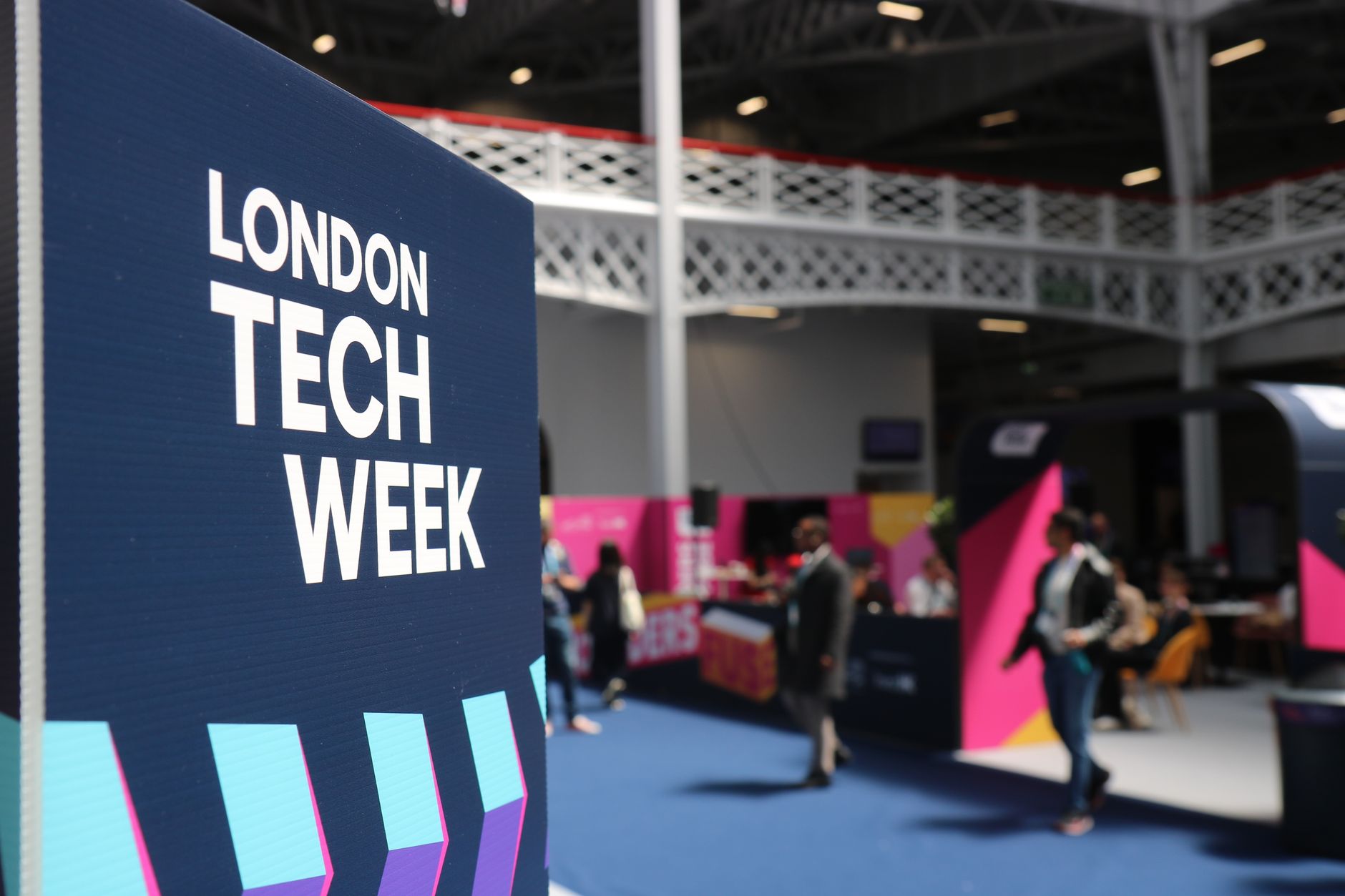
Photo by Euronewsweek Media on Pexels
Sponsor activation at iGaming events is one of the most expensive line items that Australian operators and suppliers routinely get wrong. The industry spends real money on conference presence, yet most of that spend sits in logo placement and branded lanyards. The result is brand visibility that nobody remembers two weeks later and a leads list that never converts.
The problem isn't the events. Australia's iGaming conference circuit has matured considerably, and formats like roundtables, breakout sessions, and curated networking dinners offer genuine commercial access. The problem is that most sponsors treat activation as decoration rather than deal flow.
What sponsorship actually buys you
A sponsorship package at a mid-tier iGaming trade event in Australia typically includes a speaking slot, a floor space allocation, logo rights, and a delegate list. That list is the asset most sponsors underuse. It arrives a week before the event and sits in an inbox while teams scramble over stand graphics.
Smart sponsors use the delegate list to do three things before the doors open. First, they identify 10 to 15 specific contacts worth a conversation. Not "everyone from operators," but named individuals with known mandates. Second, they book meetings before the event begins. Walk-up conversations at stands are low-yield. A 25-minute coffee already in the diary is not. Third, they brief whoever is staffing the stand on those 15 contacts by name, so when one walks past, it triggers a human interaction rather than a generic pitch.
None of that requires a bigger budget. It requires treating the delegate list as a sales tool instead of a curiosity.
Stand design that earns attention
Most iGaming event stands are built to look good in photos. Wide backdrops, branded giveaways, demo screens running on loop. That serves the marketing team's internal reporting, not the commercial outcome. A stand that earns attention at a business-to-business event does something different: it creates a reason to stop and a reason to stay.
The stop reason is usually a problem statement, not a product pitch. "We built this because operators kept losing 12% of players at the KYC step" is more arresting than a logo and a tagline. It signals that the team on the stand understands the room. That's the hook.
The stay reason is a conversation with someone who has genuine authority to answer hard questions. The biggest activation mistake is staffing a stand with junior sales representatives who can demonstrate the product but can't engage on pricing, integration timelines, or compliance implications. At iGaming events, the visitors who matter most will ask exactly those questions within the first three minutes. Sending them away with a brochure kills the opportunity.
Speaking slots: the asset most sponsors waste
Speaking slots are included in most premium sponsorship tiers, and they're the highest-leverage activation tool available. They're also where sponsors consistently underperform. A product demo disguised as a conference presentation reads as an advertisement. Audiences disengage fast, and the brand association that follows is a negative one.
What works is a session built around a question the audience is already asking. Data helps. If you can walk into a room and say "we analysed 400,000 player sessions and here is what we found about dropout rates after the first deposit," you have the room's attention before the second slide. That's not marketing. That's intelligence the audience can use, and it creates a very different post-session conversation at the stand.
Operators attending these events are navigating real operational problems, from national consumer protection obligations to player retention pressures. A speaker who addresses those problems with specificity earns credibility that a branded cocktail hour cannot.
Networking events: the real deal room
Sponsored drinks sessions and networking dinners are where Australian iGaming conferences do their most commercially productive work, and most sponsors miss it. The common mistake is to treat these events as brand moments rather than deal rooms. The sponsor brand is on the napkins. The sponsor team is in a cluster near the bar talking to each other.
The operators worth meeting are not going to walk to the branded napkin table. They're in conversation with someone they already know, or they're looking for a reason to leave. The sponsor team needs to circulate with a specific agenda: introduce two people who should know each other, ask one genuine question about what the person is working on, and resist the pitch until the third interaction.
Referral behaviour at iGaming events is relationship-dependent. A supplier who makes a useful introduction at a dinner is remembered at the next one. That compounding effect across a series of events, like those covered on the Australian iGaming events calendar, is worth more than any single signed deal.
Measuring what actually happened
Post-event measurement at most Australian operators and suppliers is impressionistic. Stand traffic was "good." The panel went "well." The drinks were "well attended." None of that tells you whether the spend was justified.
Three metrics are worth tracking against every event activation. First, meetings held with pre-identified targets, expressed as a number not a feeling. Second, qualified follow-up conversations booked within five business days of the event closing. Third, pipeline value attributed to event contacts at the 90-day mark. That last figure takes discipline to track, but it's the only one that connects sponsorship spend to commercial outcome.
Events where those three numbers are weak warrant a conversation about format. Some conferences deliver operator attendance. Others deliver supplier attendance. If your target audience is operators and 80% of the room is other suppliers, the activation problem can't be fixed on the floor.
The pre-event briefing most sponsors skip
A one-hour internal briefing the week before an event does more for activation outcomes than most post-event retrospectives. It covers who is attending and why they matter, what the team is authorised to discuss and what requires escalation, what the three asks are from each priority conversation, and how the team will capture notes before they lose them on the flight home.
That last point is mechanical but it matters. CRM hygiene at iGaming events is poor across the industry. Business cards get scanned by a smartphone app and filed into a contact list that nobody opens. The contacts worth following up deserve a note written within 24 hours while the conversation is specific in the writer's memory. Generic follow-up emails sent to everyone on the scanned list are a fast path to being ignored.
Activation that converts is planned before the event, executed with intent on the floor, and followed up with specificity in the week after. The industry spends enough on conference presence to do all three. Most of it currently does only the first half of the second.