Venue selection for iGaming events: what Australian organisers get wrong
Venue selection is one of the most consequential decisions an iGaming event organiser makes, yet it rarely gets the strategic attention it deserves. Getting it wrong shapes everything from delegate experience to commercial outcomes.

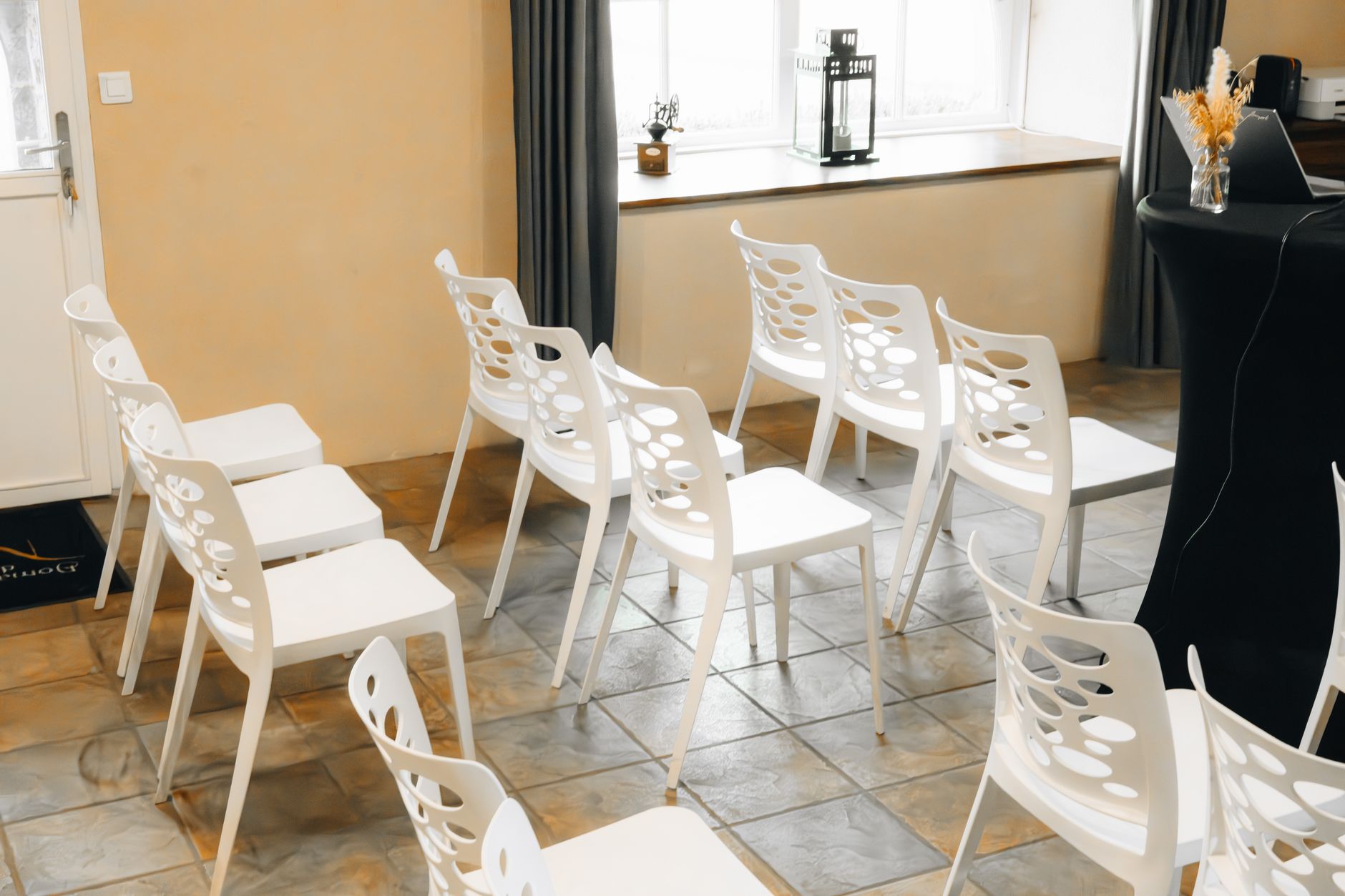
Photo by Newman Photographs on Pexels
Venue selection sits at the foundation of every iGaming conference, trade show, and summit in Australia. Get it right and the logistics disappear from the conversation. Get it wrong and the venue becomes the story. Despite that, many organisers treat the decision as a procurement exercise rather than a strategic one, comparing room capacities and catering packages while the factors that actually shape delegate outcomes sit unexamined.
The capacity miscalculation that costs attendees
The most common error is booking to peak capacity. An organiser projects 400 attendees, finds a venue that holds 420, and considers the brief satisfied. The problem shows up on the day: break-out rooms seat 60 in rows, which kills conversation; the networking floor is standing-room only by mid-morning; the catering queue runs 25 minutes at lunch. Every one of those friction points reduces the commercial value a delegate extracts from the event.
Seasoned organisers book for 70% of projected capacity in the main hall, not 100%. The remaining space becomes breathing room, overflow for registered growth, and the physical slack that makes hallway conversations possible. Hallway conversations are where deals actually begin. Compress the physical environment and you compress that outcome.
Breakout rooms deserve their own capacity check. Breakout session formats that generate genuine industry value require furniture that can be rearranged, acoustic separation between adjacent rooms, and enough floor space for a facilitator to move. Many CBD hotel conference floors fail all three tests simultaneously.
Connectivity requirements that venues understate
Every iGaming supplier exhibiting at a trade event is running live product demonstrations. That means real-time platform access, streaming video, and sometimes two or three simultaneous connections per stand. A venue's quoted Wi-Fi bandwidth figure is rarely the number that matters. What matters is dedicated bandwidth allocation by zone, and the number of concurrent connected devices the infrastructure can sustain without degradation.
Ask for the venue's last independent network stress test result. Most venues haven't done one. That's the answer.
The fallback position is a dedicated fibre drop negotiated into the venue contract before signing, with responsibility for the router hardware and the last-metre cabling clearly assigned. This adds cost. It eliminates the risk of a supplier's live demo collapsing in front of a prospective client because the venue's shared Wi-Fi hit saturation at 9:45 am.
Location logic that ignores the delegate base
Australian iGaming events draw heavily from three cities: Sydney, Melbourne, and Brisbane. Most organise out of one of the first two. The instinct is to book in the city where the organiser's own team is based, which is a sensible preference dressed up as a strategic choice. The actual question is where the highest concentration of target delegates lives and works.
This matters more than proximity to an airport. A venue 15 minutes from the Sydney CBD that requires a connecting flight from most of Melbourne's wagering sector is not a convenient venue. It's a convenient venue for the organiser. Delegates flying interstate do not make that distinction quietly; they make it in the post-event survey, and then by not registering the following year.
City-fringe convention centres often beat CBD hotel ballrooms on every metric except perceived prestige. They tend to have more dock access for exhibitors, dedicated parking for equipment deliveries, and function floors built for trade events rather than retrofitted from weddings and gala dinners.
The audiovisual trap
Most Australian conference venues have an exclusive AV supplier clause buried in the booking contract. The organiser signs without reading it, then discovers during setup that the venue's preferred supplier quotes four times the market rate for a simple lapel mic and confidence monitor arrangement. At that point the leverage is gone.
Negotiate AV exclusivity out of the contract before signing, or negotiate a cap on the exclusive supplier's rates tied to a competitive quote benchmark. Either approach works. Neither is possible after the deposit clears.
Keynote setups require specific attention. Keynote speaker selection is a careful process, but the best speaker in Australian iGaming will underdeliver in a room with poor sight lines, a low ceiling that kills projection quality, or a stage positioned so that half the audience is reading the speaker's shoulder. The room shapes the speaker as much as the speaker shapes the room.
Networking space that actually works
The networking floor is not a secondary consideration. For most delegates at an iGaming trade event, it is the primary one. They attend to meet people. The conference programme gives them a shared context and a schedule; the networking floor is where the scheduled meetings happen and where the unscheduled ones begin.
Networking spaces fail in two directions. The first is too open: a large, undifferentiated room with no acoustic management, where conversation competes with ambient noise from three other conversations simultaneously, and where there's no obvious reason to move from one part of the space to another. The second failure is too closed: a narrow pre-function corridor with high-top tables every four metres, where the physical layout prevents more than two people from talking comfortably in one spot.
The best iGaming networking floors have distinct zones with different furniture densities, a perimeter that suppliers can activate with small stand footprints, and a bar or coffee station positioned to create natural congregation. Those aren't decorating choices. They're crowd management, and they shape whether the commercial conversations that justify attending actually happen.
Catering as a delegate retention tool
Delegates who leave the venue for lunch do not always come back. That sounds obvious. The operational response to it is less obvious: catering design needs to hold people on-site during breaks, which means quality, variety, and a service speed that doesn't burn the full break time in a queue.
Dietary requirements in Australian iGaming audiences have expanded considerably. A buffet with three dishes isn't a catering solution; it's a signal that the organiser didn't ask the question at registration. Ask at registration. Build the brief from the answer. Most venues can accommodate the result without a significant cost premium if the requirement is specified early rather than added as a late amendment.
Timing the contract review
The venue contract review window is narrow. Organisers negotiating twelve months out have real leverage. Organisers negotiating six months out have less. Organisers negotiating three months out are accepting the venue's standard terms because they have no alternative venue at that notice period.
Key contract provisions to review: cancellation liability clauses on both sides, force majeure scope (particularly relevant given recent years), minimum spend obligations across catering and AV, exclusivity clauses for suppliers, load-in and load-out time allocations, and insurance requirements. A legal review by someone familiar with event contracts is a cost item. Signing a contract with unexamined liability clauses is a larger one.
None of this is complicated. Most of it is just a checklist that gets skipped because the venue is booked by the same person managing the speaker programme and the registration platform simultaneously. The solution is a dedicated pre-contract review process, even if that review takes two hours with a single additional set of eyes on the document.