Nigeria's iGaming market: what Australian operators need to watch
Nigeria is building one of the largest regulated iGaming markets in the world, and the structural changes underway carry lessons and commercial signals that reach well beyond Africa.

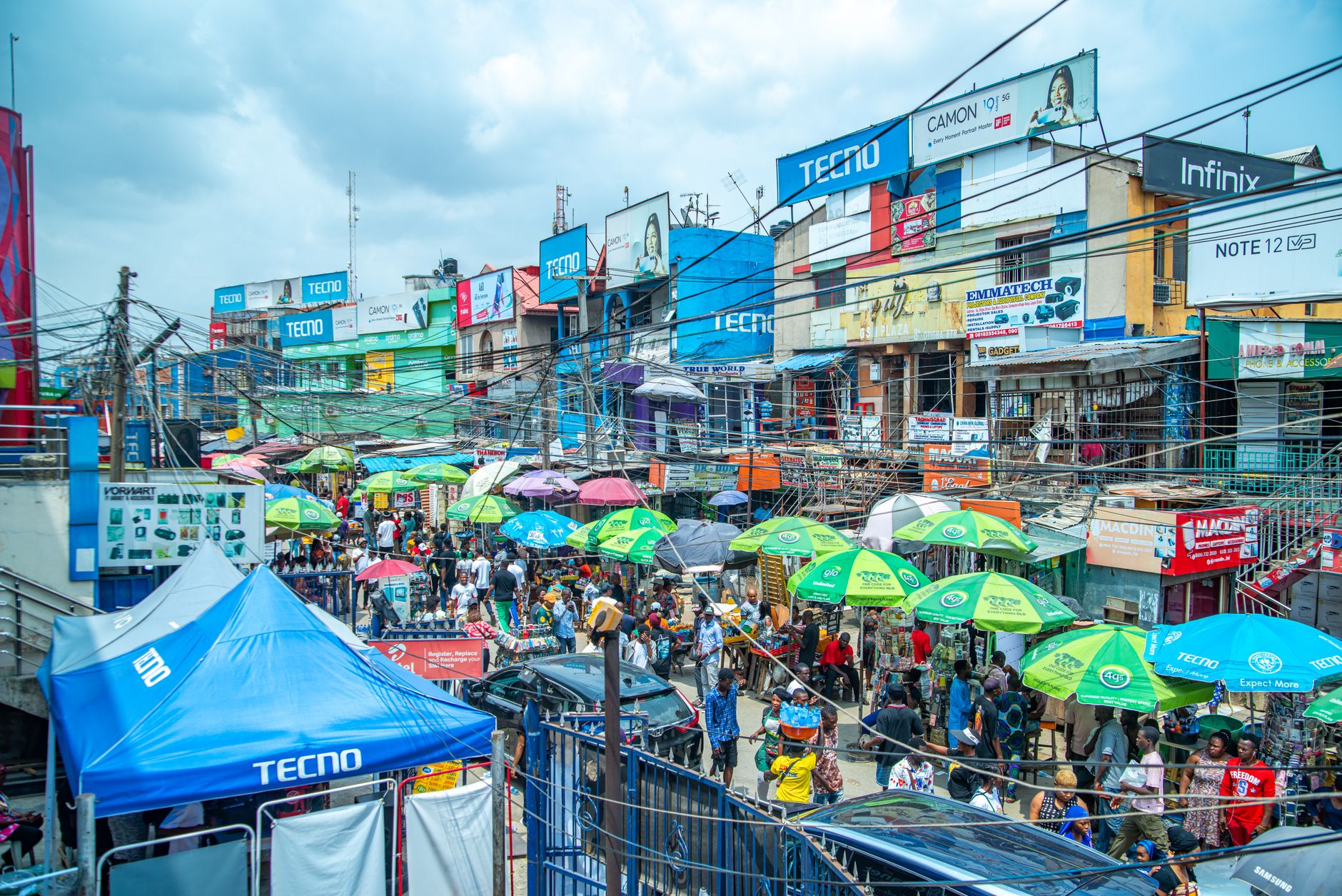
Photo by David Iloba on Pexels
Nigeria's iGaming market is bigger than most Australian operators realise. The country has an estimated 65 million active sports bettors, a median age below 20, and mobile penetration deep enough that most gambling transactions happen through smartphones rather than retail shops. What was largely an informal market a decade ago now sits beneath a formal federal licensing framework, and the structural reforms the Nigerian government has pushed through since 2023 are worth tracking closely.
The National Lottery Regulatory Commission and what it changed
Nigeria's gambling sector was historically governed by a patchwork of state licences, with 36 states each running their own regulatory apparatus. The National Lottery Regulatory Commission (NLRC) has existed since 2005, but its federal authority over sports betting and online gaming was contested for years. That changed materially in 2023 when the federal government moved to consolidate oversight and issued a framework requiring online operators to hold a national licence rather than relying on individual state permits.
The practical effect was significant. Operators that had been trading under low-cost state licences in Lagos or Rivers State were required to meet federal technical standards, pay consolidated licensing fees, and comply with new responsible gambling obligations. Several large offshore operators chose to exit rather than re-licence. Those that stayed, or entered fresh, now face an environment that looks meaningfully more like a regulated European market than the grey-zone conditions that existed previously.
For Australian operators watching global regulatory shifts, this trajectory is familiar. Self-exclusion frameworks and responsible gambling mandates are following a near-identical path in Nigeria to the one seen in Brazil, Canada, and several European markets over the past decade.
Market scale and what drives it
Nigeria's population sits at around 220 million. The country has the largest economy on the African continent by GDP, and its digital economy is growing faster than its physical retail sector. Three factors combine to make the iGaming market unusually large by regional standards.
- Mobile-first infrastructure: Nigerian players overwhelmingly use USSD codes and mobile money platforms rather than credit cards or bank transfers, which has forced operators to build payment rails that bear no resemblance to the typical European or Australian deposit flow.
- Sports culture: Football (soccer) betting dominates volume, with the English Premier League generating more handle in Nigeria than any domestic competition. Operators with strong football content and competitive prematch odds have a structural advantage.
- Youth demographics: The 18-35 cohort accounts for the majority of active accounts. Customer acquisition costs remain lower than in saturated markets, though churn is high and brand loyalty is thin.
Bet9ja, Sportybet, and BetKing are the three largest domestic operators by active accounts. All three built their initial user bases through retail shops before migrating players to digital channels. That retail-to-digital shift mirrors patterns seen in Australian wagering, where TAB's retail footprint historically anchored brand recognition before mobile wagering overtook it.
What the licensing framework actually requires
The NLRC's national licensing regime introduced several obligations that Australian compliance teams will find recognisable. Operators must hold player funds in segregated accounts, implement know-your-customer checks at account opening, and provide responsible gambling tools including deposit limits and self-exclusion. The self-exclusion requirement is relatively new and not yet enforced with the rigour that Australian regulators apply to comparable frameworks in Brazil, but the direction of travel is clear.
Licence fees are tiered by operator type. A Category A sports betting licence costs approximately USD 50,000 annually at the federal level, with additional state-level fees applying in some jurisdictions. That figure is low by European or Australian standards, which partly explains why the Nigerian market attracted significant offshore interest from operators who had been priced out of UK or German licences.
Tax treatment varies. Sports betting operators pay a 15% gross gaming revenue tax to the federal government, with additional levies applying at the state level. The combined effective rate in Lagos, Nigeria's commercial capital, can reach 25%, which compresses margins for high-volume, low-stake operators. That margin pressure has pushed several operators toward higher-margin casino-style products, a shift the NLRC is now scrutinising.
Technology and payment infrastructure
The payment layer is the most distinctive feature of the Nigerian iGaming market and the one most likely to surprise Australian operators assessing entry or partnership opportunities. Bank transfers are unreliable. Credit card penetration is low. Most Nigerian players use mobile money wallets, specifically OPay, Palmpay, and MTN MoMo, which collectively handle hundreds of millions of transactions per month.
Operators that built their platforms around traditional payment gateway integrations found themselves locked out of large portions of the addressable market. The operators that grew fastest built direct integrations with mobile money providers, often accepting deposits via USSD codes that work on basic handsets without a data connection. This is a fundamentally different technical challenge from anything in the Australian market, where PayID, debit cards, and bank transfers cover the vast majority of transactions.
Crypto usage among Nigerian bettors is higher than regulators prefer. The naira's volatility and periodic devaluation events have pushed some players toward stablecoin deposits as a hedge against currency risk. The NLRC has not explicitly banned crypto payment acceptance, but it hasn't licensed it either. That ambiguity creates compliance risk for any operator considering Nigeria as an expansion market.
What Australian operators can take from this
Direct market entry into Nigeria is unlikely to be on the near-term agenda for most Australian wagering operators. The market is geographically distant, technically demanding, and legally complex in ways that don't map neatly onto existing Australian compliance frameworks.
The more immediate relevance is competitive intelligence. Several European B2B suppliers, including platform providers and game studios, are actively building Nigeria-specific product suites. Those same suppliers serve Australian operators. Understanding which platform features, payment integrations, and responsible gambling tools are being developed for high-growth African markets gives Australian procurement and technology teams early visibility of what will eventually flow back through global supplier catalogues.
There's also a talent angle. Nigerian iGaming professionals, particularly those with experience in mobile-first product design and payment integration in constraint-heavy environments, are increasingly mobile internationally. As Australian operators build out their iGaming teams, that talent pool is worth factoring into hiring strategies.
Nigeria's regulatory arc is worth tracking for a more practical reason too. Markets that move from grey-zone to formal regulation tend to export their regulatory models to neighbours. Several West African countries are now watching the NLRC framework closely. A standardised West African iGaming regulatory bloc, even a loose one, would reshape supplier economics and B2B licensing strategies in ways that eventually touch how globally active platform providers price and position their Australian products.
Key things to watch in the next 12 months
The NLRC is expected to publish updated advertising guidelines that would restrict offshore operators from targeting Nigerian IP addresses without a local licence, mirroring the approach taken by Australia's ACMA against unlicensed offshore brands. If the NLRC follows through, it will push several grey-market operators either into the formal licensing process or out of the market entirely, concentrating revenue among the top 10 to 15 licensed brands.
The Central Bank of Nigeria's ongoing payments policy is also material. Any further restrictions on naira outflows could affect how offshore operators repatriate profits, which in turn shapes the attractiveness of the market for international groups considering entry or acquisition.
Nigeria is not a simple market. It rewards operators that invest in local infrastructure, local payment partnerships, and genuinely local product design. It punishes those that apply a copy-paste approach from more familiar markets. For Australian operators, the lesson from Nigeria's development is the same one that applies across every high-growth emerging market: regulatory formalisation creates opportunity, but only for those who have already done the groundwork before the licence window opens.