Lottery draw integrity in Australia: how results are verified
Lottery draw integrity in Australia sits beneath every jackpot and second-division prize, yet most players never see the verification layer that underpins it. Here is how the system actually works.

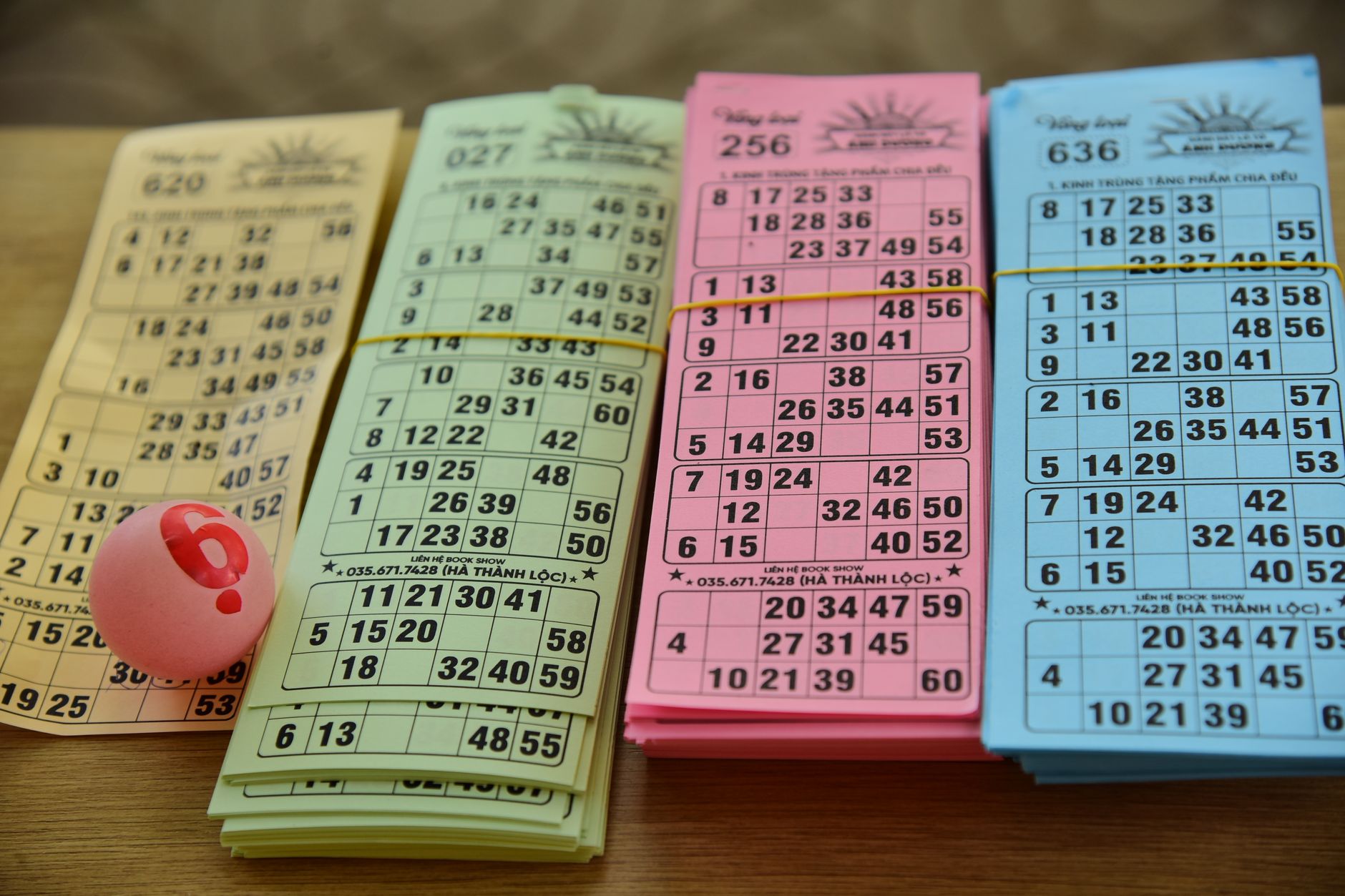
Photo by Sóc Năng Động on Pexels
Lottery draw integrity in Australia is not a vague promise printed in a terms-and-conditions document. It is a formal, multi-layered compliance obligation that covers equipment, process, personnel, and independent audit. When a Powerball draw runs on a Thursday night, the outcome is the product of accredited random number generation, witnessed by authorised representatives, and confirmed against documented protocols before a single prize is paid.
Who oversees lottery draw integrity
Australia's lottery sector divides along two lines: Lotterywest in Western Australia and the Lott everywhere else. Each operator holds a state-based licence and answers to its relevant gaming regulator. In Queensland, the regulator is the Office of Liquor and Gaming Regulation. In New South Wales, the Independent Liquor and Gaming Authority holds oversight. Victoria's regulator is the Victorian Commission for Gambling and Liquor Regulation. Western Australia's Racing and Gaming sits above Lotterywest.
Each of these bodies sets the technical standards that govern how draws are conducted. The standards align closely with the guidelines published by the World Lottery Association, which operates a security control standards certification programme that both Lotterywest and the Lott have held for many years. WLA certification requires an independent external audit every two years against a 180-point control framework covering draw equipment, number generation, prize payment, and player data security.
Random number generation: two methods, one outcome
Australian lottery operators use two distinct methods to produce draw results, depending on the game type. Traditional draw games like Oz Lotto and Saturday Lotto still use physical ball-draw machines. Digital draw games use certified random number generator (RNG) software.
Physical machines are not simply purchased and put into service. Each machine must be type-approved by the relevant state regulator before it can be used commercially. Type approval involves testing by an accredited testing laboratory to confirm that ball weight tolerances, tube dimensions, and air pressure systems produce statistically random outcomes across a large sample of test draws. Machines are also subject to pre-draw checks on draw day, including ball weight verification to within 0.1 grams.
RNG software used in digital draw products faces an equally rigorous path. Testing laboratories accredited under ISO/IEC 17025 assess the algorithm for statistical randomness against a recognised standard such as FIPS 140-2 or comparable criteria. Operators must hold a current RNG certification and re-certify after any software change that touches the draw engine.
What happens on draw day
The draw process itself follows a written operating procedure that the regulator has approved in advance. Deviating from that procedure without prior approval is a licence compliance issue, not just an operational error.
A typical physical draw involves three parties in the room: a draw official employed by the operator, an independent scrutineer (usually a representative from an external auditing firm), and in some jurisdictions a regulatory observer. The scrutineer's role is specific. They verify the ball count before the draw, witness the draw itself, record the numbers produced, and sign off the result against the operator's own record. Their signed certificate becomes part of the draw audit trail.
For RNG draws, the equivalent process involves the scrutineer receiving a sealed seed value or observing the seed-generation process, confirming the software version in use matches the certified version, and independently recording the draw output. The full log is archived.
Prize payment controls and reconciliation
Verified draw numbers trigger an automated prize calculation process, but that process runs against a validated ticket sales file, not an open system. The sales file is locked at the close of entries for each draw and hashed, creating a tamper-evident record. Prize payment runs against that locked file, which means a ticket presented after the file lock cannot be added retrospectively.
Division one prizes above a threshold set by each operator require additional verification before payment. This typically involves identity checks, ticket barcode scanning against the central system, and in some states a waiting period of up to 30 days before the funds are released. The full prize-claiming process adds another verification layer on top of the draw audit.
Reconciliation happens after every draw. The operator's draw report, the scrutineer's certificate, and the prize liability calculation are compared. Any discrepancy triggers a formal investigation process before prizes are paid.
What can go wrong and how it is handled
Draw incidents are rare, but the framework anticipates them. Two categories matter most: equipment failure during a draw, and post-draw discovery of an error in the result record.
If a physical ball machine malfunctions mid-draw, the operator must follow a void-and-redraw procedure set out in its operating protocol. The original draw is voided, the malfunction is documented, the scrutineer confirms the void, and a second draw is conducted with the same entry pool. Players are not penalised for the void. The regulator is notified.
If an error in the result record is discovered after the draw result has been published but before prizes are finalised, the operator must notify the regulator immediately. Correction requires the scrutineer's confirmation that the published result was inaccurate and documentation of the correct result. If prizes have already been paid on incorrect numbers, the resolution process becomes a regulatory matter, not just an operational one.
Transparency and public access to draw information
Both Lotterywest and the Lott publish draw results publicly and maintain accessible archives. This transparency is part of the integrity framework rather than a separate marketing exercise. Published results can be cross-checked against purchased tickets independently of the operator's own prize-checking tools.
Audit reports from external scrutineers are held by the operator and submitted to the regulator on the schedule the licence requires. They are not generally published for public access, though a player who disputes a draw outcome can request that the regulator review the audit documentation as part of a formal complaint process.
The combination of accredited equipment, independent scrutineers, locked sales files, and external certification creates a system where any deliberate manipulation of a draw result would require the simultaneous compromise of multiple independent parties. That structural redundancy is the point. It's why no Australian lottery draw has been successfully contested on integrity grounds in the modern regulated era.