Second-chance lottery draws in Australia: how they work
Second-chance draws turn losing lottery tickets into a second entry, but the mechanics differ considerably across Australian operators and product types. Here's how they work and what they mean for players and operators alike.

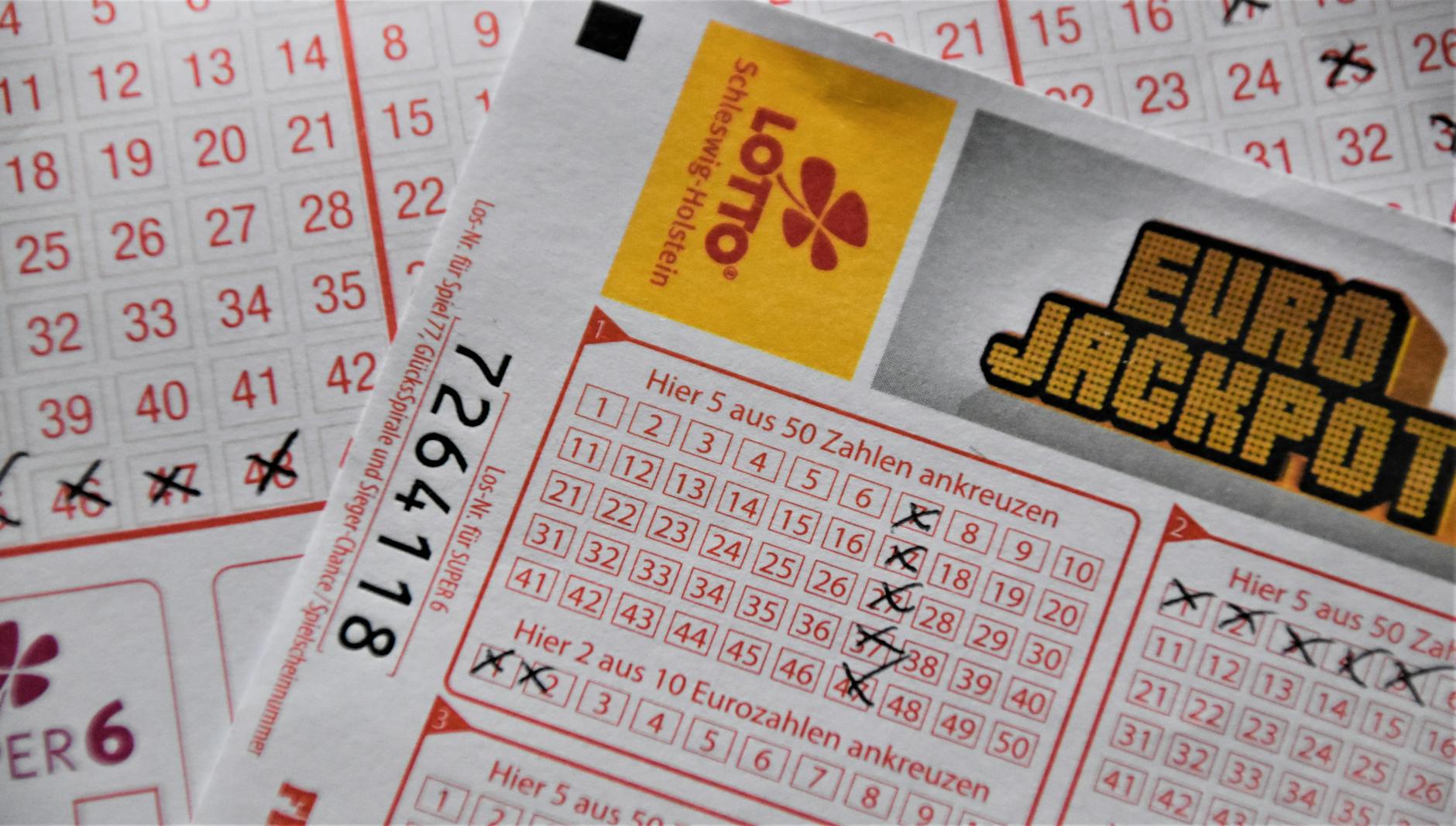
Photo by Waldemar Brandt on Pexels
Second-chance lottery draws are a promotional tool that Australian lottery operators use to keep players engaged between major jackpot events. A non-winning ticket, whether a scratchy, a draw-game coupon, or a digital entry, is registered for a separate prize pool. The player doesn't win the primary draw but stays in play. It's a straightforward concept with a surprisingly complex set of rules underneath it.
What second-chance draws actually involve
The structure varies by operator and product, but the core mechanic is consistent. Players who hold a losing ticket in a standard draw or instant game submit that ticket for a separate, standalone draw. The prizes in the second-chance pool are usually smaller than the main jackpot but can include cash, cars, holidays, and merchandise packages. In some formats the second-chance draw is free to enter; in others it requires players to register through a loyalty account or app.
The Lott, which operates draw games across every state and territory outside Western Australia, has used second-chance mechanics in promotional campaigns tied to its flagship products including Oz Lotto, Saturday Lotto, and Powerball. Lotterywest in Western Australia runs its own occasional second-chance promotions under its state mandate. Neither operator publicises the exact terms of individual campaigns far in advance, so players typically learn about second-chance windows through retail point-of-sale materials and direct digital notifications.
Instant scratch tickets are the most common vehicle for second-chance promotions. A player who scratches a non-winning ticket can scan or manually enter the serial number into an operator portal to receive an additional entry. This format suits the scratch-ticket model well because the player already knows the outcome instantly and the second-chance incentive prevents the ticket from being discarded immediately.
How operators administer the process
Running a second-chance draw adds compliance and operational overhead that standard lottery draws don't carry. Operators must define an entry window, verify that submitted ticket numbers are genuine and non-winning, build a draw mechanism that meets the same randomness standards as primary draws, and publicise winners. State gaming regulators treat second-chance draws as promotional lotteries in most jurisdictions, which means they fall under the same permit and reporting requirements as other prize competitions.
The digital shift has made administration considerably simpler. Players who participate through an operator's app or online account can register tickets with a single scan, and the system cross-references the serial number against the winning ticket database in real time. Paper-only entry, which required players to post ticket stubs to a fulfilment address, has largely disappeared from Australian practice. This matters for lottery prize claiming in Australia, since digital registration creates a clear audit trail that paper-based systems couldn't match.
Operators also use second-chance draws to grow app downloads and loyalty registrations. Entry often requires a registered account, which gives operators a verified player database they can use for targeted communications within the boundaries of their privacy and marketing obligations.
Player eligibility and entry windows
Not every losing ticket qualifies. Operators set minimum ticket face values, restrict entry to specific game types, and run the promotion only during defined windows, often tied to a seasonal campaign or a milestone draw. A $2 scratch ticket from a game that isn't part of the promotion won't qualify even if it's a non-winner from the same retailer on the same day.
Entry windows are typically short: 4 to 8 weeks is common for instant-game promotions. Players who don't submit within the window forfeit their second-chance entry. Operators communicate the deadline on pack-art, in-app banners, and through email to registered accounts, but casual retail buyers who don't have an app account frequently miss the window entirely. That gap between engaged digital players and casual retail buyers is one of the reasons second-chance promotions are more effective at retaining existing registered players than recruiting new ones.
Geographic restrictions also apply. A ticket purchased in Queensland under a promotion run by the Lott may not be eligible for a second-chance draw structured under different terms by the same operator for a New South Wales-specific campaign. State licensing rules shape what operators can offer in each market, which is why the structure of Australia's national lottery network matters when understanding which promotions reach which players.
What it means for operators commercially
Second-chance draws cost operators in prize funding and administration but generate measurable returns in player engagement. Ticket retention increases. Players who might otherwise discard a losing scratchy instead log into an app, register the ticket, and spend time on the operator's platform. That session is an opportunity for cross-promotion of upcoming draws, loyalty tier communications, and game discovery.
The prize pool for a second-chance draw is typically funded from a fixed promotional budget rather than a percentage of ticket sales, which means operators can model the liability precisely before the campaign launches. This is different from the prize pool mechanics behind major jackpots, where the prize grows with ticket sales over rollover periods. For a closer look at how jackpot accumulation works more broadly, the mechanics behind Australian lottery jackpots explain the rollover structure that second-chance draws deliberately sit outside of.
From a responsible gambling standpoint, second-chance draws are generally considered lower-risk than products that invite reinvestment of winnings. A player who registers a losing ticket is not spending more money. Regulators in most Australian jurisdictions treat this positively, though they do require that promotional material not imply a greater chance of winning than the actual odds support.
Instant game integration and future formats
The fastest-growing area for second-chance mechanics is digital instant-win games. Online lottery platforms can embed second-chance draws directly into the game client, so a non-winning spin or reveal triggers an automatic entry prompt without the player needing to navigate elsewhere. This removes the friction of manual ticket registration entirely. Australian operators have been cautious about deploying this format because it can blur the line between a lottery product and a continuous-play gaming product, which carries different regulatory treatment under state law.
Syndicate purchases present a specific complication. When a group entry doesn't win the primary draw, who is entitled to submit the ticket for the second-chance pool? Operators handle this differently: some assign the second-chance entry to the account holder who purchased the syndicate share, others treat the syndicate as a single entrant with a single second-chance entry regardless of how many shares were sold. The rules are set out in the terms and conditions at purchase but rarely read in detail before a draw.
Second-chance draws won't reshape the Australian lottery sector on their own. They work best as part of a broader promotional calendar, sitting alongside draw-game jackpot campaigns and retail activations rather than replacing them. For operators, the commercial case is clear: a losing ticket that stays in play is a player who stays engaged.