Gambling advertising during live sport: where Australia draws the line
Gambling advertising during live sport sits at the centre of Australia's most contested marketing debate, with broadcast restrictions, timing bans, and political pressure reshaping how operators can reach audiences.

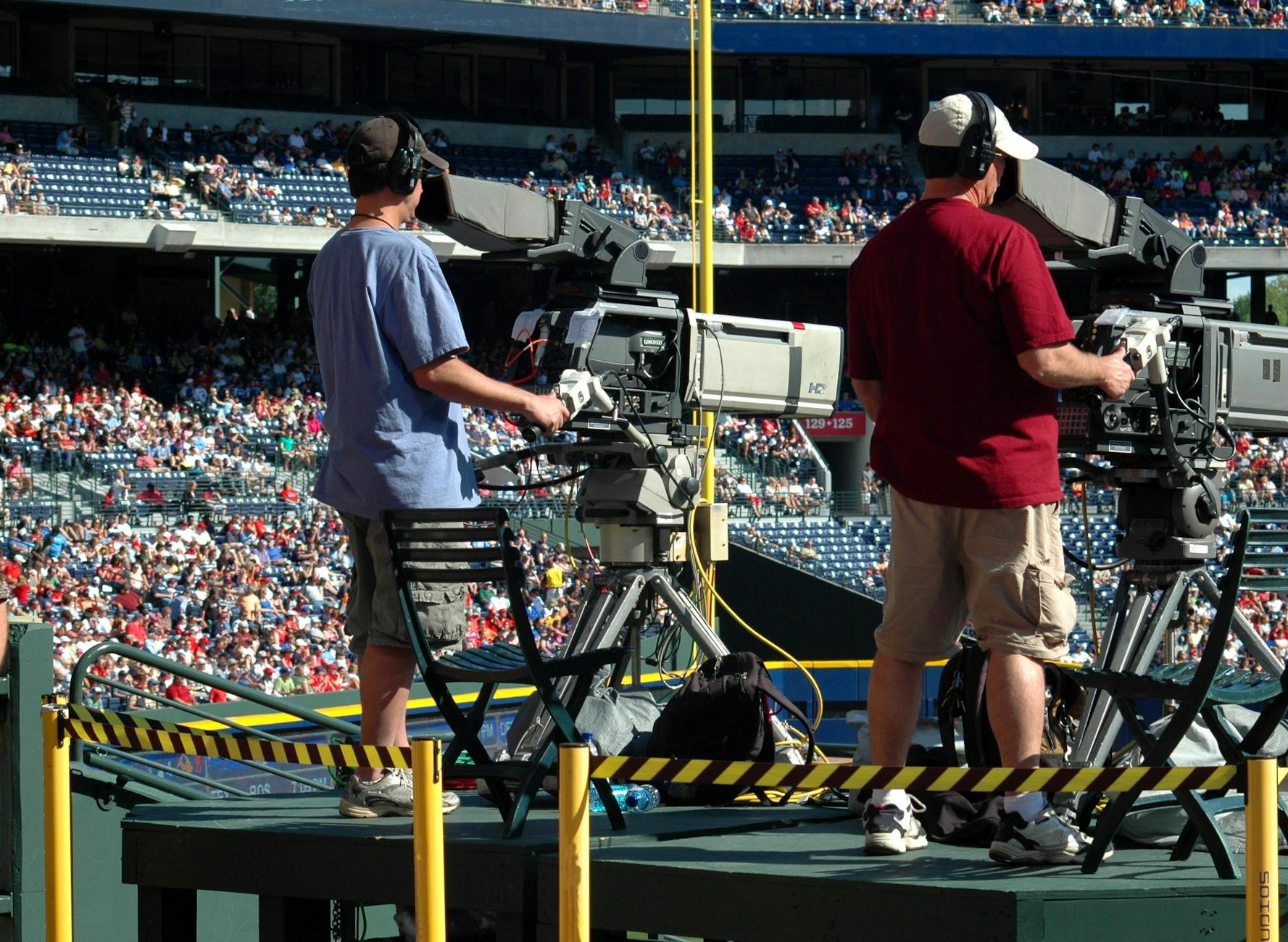
Gambling advertising during live sport has become one of the most scrutinised areas of Australian broadcast regulation. The rules govern when wagering commercials can air, what they can say, and which audiences they are permitted to reach. For operators, compliance requires understanding both the federal legislative framework and the self-regulatory codes that sit alongside it. Getting it wrong carries real enforcement risk, and the political environment continues to push for stricter limits.
The current broadcast framework
The core restrictions flow from the Broadcasting Services Act 1992 and its associated codes, administered by the Australian Communications and Media Authority (ACMA). Licensed commercial broadcasters are bound by the Free TV Australia code, which restricts wagering advertising during live sport broadcasts on free-to-air television. Under the rules that have been in force since 2018, gambling ads cannot air between 5:00 am and 8:30 pm during live sport coverage. That window effectively removes primetime live sport as a viable placement for wagering commercials on free-to-air channels.
The restriction applies to the live broadcast itself and to any coverage directly associated with it. Replays, pre-game shows, and post-match analysis can still carry advertising outside protected periods, though broadcasters apply their own editorial judgments. Pay television operates under a separate code, and the rules there have historically been less prescriptive, though community and political pressure has continued to narrow that gap.
What the rules do not cover
The broadcast restrictions do not extend automatically to digital and streaming platforms. Subscription video-on-demand services and sports streaming rights holders have operated outside the broadcast code framework, which has created a visible asymmetry. A viewer watching a live AFL match on a free-to-air channel is shielded from wagering ads during the game; the same viewer streaming the same match through a digital platform may not be. This gap has attracted sustained criticism from harm-reduction advocates and parliamentary committees, and proposals to close it have circulated at the federal level for several years.
Social media advertising and in-app placements are governed separately through the Australian Association of National Advertisers code and, for wagering specifically, the Responsible Wagering Australia code of conduct. These codes require age-gating and prohibit targeting minors, but they do not impose the same scheduling restrictions that apply to broadcast television. Operators running digital campaigns alongside live sport content must understand that the broadcast window ban does not follow the viewer onto a phone screen.
Inducements and bonus bet restrictions
Separate from the timing rules, the rules around inducement advertising apply to any medium at any time. Wagering operators cannot advertise sign-up bonuses, bonus bets, or other inducements in a way that promotes gambling to new customers. The inducement restrictions introduced federally in 2018 were a significant change to the landscape, removing a category of creative that had previously dominated wagering advertising during major sporting events. Operators have since shifted toward brand advertising, form guides, and odds-based creative that avoids the bonus bet framing that was once ubiquitous during the footy season.
Compliance with the inducement rules during live sport broadcasts requires careful creative review. An ad that mentions a bonus or promotional offer, even as a secondary message, risks breaching the prohibition. Many operators now run entirely separate creative libraries for broadcast versus digital placements, with legal sign-off applied independently to each channel.
Sponsorship versus advertising
One area of ongoing complexity is the boundary between sponsorship and advertising. A wagering brand's logo on a jersey, displayed at a venue, or mentioned as a naming rights partner during a broadcast is not treated as a wagering advertisement under the current codes. This distinction has allowed operators to maintain significant brand visibility during live sport even during protected broadcast windows. The rules governing sports betting sponsorship are distinct from the broadcast advertising codes, with different disclosure requirements and no equivalent scheduling ban.
Critics of the current framework argue that sponsorship creates a loophole that undermines the intent of the broadcast restrictions. A viewer watching a game that cannot legally carry a wagering commercial during coverage will still see the team's jersey, the venue's electronic signage, and the commentary team's references to the naming rights partner. Parliamentary reviews have examined this distinction repeatedly, and the question of whether sponsorship restrictions should be tightened remains live in policy circles as of 2026.
The push for a total live sport ban
A parliamentary inquiry in 2023 recommended a phased ban on all gambling advertising during live sport, with a broader prohibition on gambling advertising across television, radio, and online platforms to follow. The federal government's response accepted some recommendations and deferred others, with implementation timelines that remained contested into 2025 and 2026. As of mid-2026, the broadcast restriction remains the 5:00 am to 8:30 pm window during live sport on free-to-air television, without the total ban having been legislated.
The debate reflects genuine tension between commercial interests and harm-reduction goals. Wagering advertising revenue supports broadcast sports rights, and any significant restriction on advertising volume affects the economics of sports broadcasting. Operators, broadcasters, and sporting bodies have lobbied jointly to preserve the current framework, while public health advocates, church groups, and cross-bench parliamentarians have pressed for a complete prohibition. The outcome will shape marketing strategy for Australian wagering operators for years to come.
What operators need to track
Operators running live sport campaigns in Australia need to monitor several parallel developments. ACMA's enforcement posture around advertising compliance has sharpened, and the ACMA enforcement powers available in 2026 include financial penalties and formal warnings that carry reputational weight beyond the direct sanction. The self-regulatory codes administered by Responsible Wagering Australia are also under review, with member operators expected to demonstrate compliance not just with the letter of the code but with its intent.
Digital placement is the most rapidly evolving area. As streaming platforms acquire live sport rights from traditional broadcasters, the question of which rules apply to a given broadcast will become more complex. Operators should assume that regulatory and political pressure will push streaming placements toward parity with free-to-air restrictions, rather than assuming the current gap will persist. Legal teams, media buyers, and compliance functions need to work from the same briefing, particularly during high-volume windows like finals seasons and international events.
The landscape for gambling advertising during live sport in Australia is not static. Each federal budget cycle and parliamentary sitting period brings new proposals, and the regulatory floor for what is permitted can shift faster than annual planning cycles accommodate. Operators who treat compliance as a fixed checklist rather than an ongoing monitoring function are the ones most likely to be caught by the next change.