Harness racing wagering in Australia: how the market works
Harness racing wagering occupies a distinct and commercially meaningful slice of the Australian racing market, sitting alongside thoroughbred and greyhound codes. Here is how the trotting market operates and what shapes its handle.

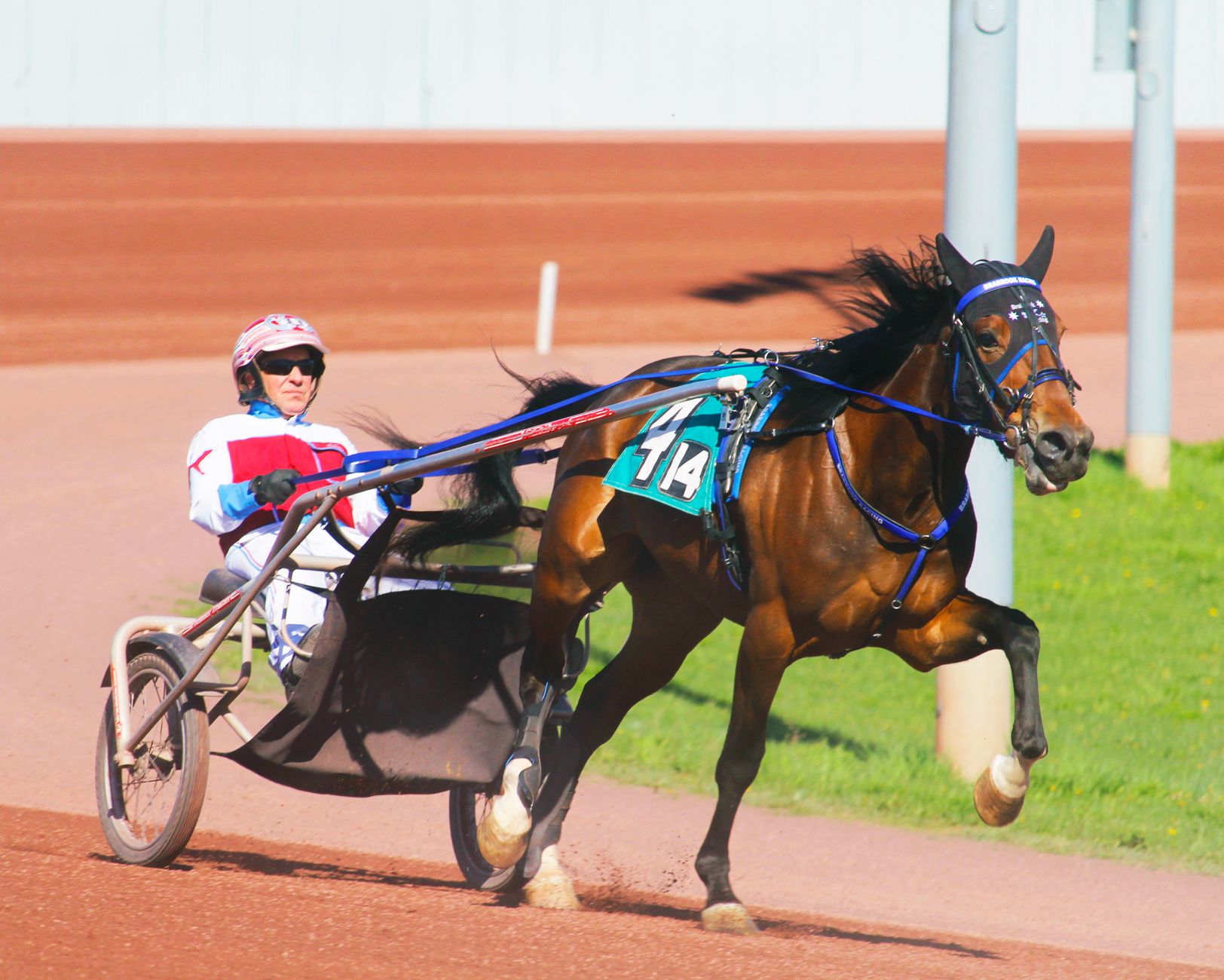
Photo by Sephina Cornwall on Pexels
Harness racing wagering is a persistent part of the Australian racing market, generating substantial handle through both tote pools and fixed-odds channels. While the sport sits behind thoroughbred racing in terms of media profile and wagering turnover, it retains a loyal punter base and operates across every mainland state and the ACT. For operators and suppliers navigating the domestic market, understanding how harness racing fits into the overall wagering mix is a practical necessity.
What harness racing is and how the code operates
Harness racing, commonly called trotting in Australia, involves horses pulling a two-wheeled sulky driven by a reinsperson rather than a jockey riding on the horse's back. The gait is standardised: horses must trot or pace, with pacing (a lateral two-beat gait) being the dominant style in Australia. Races are typically contested over distances from 1,600 metres to around 3,200 metres on purpose-built oval tracks.
Each state operates its own harness racing governing body. Harness Racing Australia sits above these as the national governing body, setting rules of racing, breeding standards, and coordinating national initiatives. The major state bodies include Harness Racing NSW, Harness Racing Victoria, Harness Racing SA, Racing Queensland (which oversees harness under a combined structure), Harness Racing WA, and Harness Racing Tasmania. Each body manages its own race programming, licensing, and integrity functions.
Race meetings are held throughout the week, with major metropolitan tracks including Menangle Park in New South Wales, Melton in Victoria, and Gloucester Park in Western Australia. Harness racing's programming density means that wagering operators carry harness product on most nights of the week, giving the code a disproportionate presence in betting menus relative to its overall handle share.
How wagering on harness racing is structured
Harness racing wagering in Australia flows through two main channels: the totalisator (tote) and fixed-odds markets. Tabcorp, through its TAB brand, operates the primary tote pools nationally for harness racing alongside thoroughbred and greyhound codes. Corporate bookmakers licensed under state and territory regimes offer fixed-odds markets on harness races, with pricing set against each horse and exotic combinations.
Common bet types in harness racing mirror those in other racing codes. Win and place bets remain the most widely used, followed by exactas, trifectas, quinellas, and first fours. Multi-race exotics such as the quaddie (quadrella) are available on selected meetings. The quaddie, in particular, drives pool size because it aggregates carryover across meetings and attracts recreational punters looking for large dividends from small stakes.
Fixed-odds wagering has grown as a proportion of overall harness handle as corporate bookmakers invested in race-day pricing tools. Head-to-head racing markets and starting price options have become standard product features. That said, tote pools retain a structural advantage for high-stakes players in harness, where the price impact from large fixed-odds bets can be more visible given thinner overall liquidity compared with thoroughbred markets.
Key commercial drivers for operators
Harness racing's commercial appeal to wagering operators rests on a few structural factors. Programming volume is high: the combination of multiple state codes means there are harness races scheduled on most evenings of the year, filling gaps in thoroughbred and greyhound schedules. This matters for retention, because operators want product to offer customers at any given hour.
Racing product fees are a significant cost driver. Operators pay race field fees to racing bodies under each state's race fields legislation, and the point-of-consumption tax regime adds a further layer of state-based impost. For harness racing specifically, product fees are set by individual state bodies and are negotiated through racing product agreements. Operators with large national footprints have more leverage in these negotiations than smaller entrants.
Integrity is a perennial concern across all racing codes, and harness is not immune. Swabbing results, driver suspensions, and race fixing investigations attract periodic media attention. For operators, integrity incidents create liability if races are subject to stewards' inquiries that result in abandoned markets or voided bets. Risk management frameworks for harness racing include monitoring for unusual betting patterns before and during races, a task that has become more automated as real-time data feeds improve.
The punter base and handle trends
Harness racing attracts a punter base that skews older and more regionally concentrated than thoroughbred racing. Participation rates in trotting markets have been under pressure from the same forces affecting racing wagering broadly: competition from sports betting, the growth of same-game multis, and the shift of recreational punters toward higher-profile events. The Australian racing wagering market as a whole is navigating these pressures, and harness racing feels them acutely given its lower media footprint.
Major harness events do generate meaningful handle spikes. The Inter Dominion, held in Australia and New Zealand on a rotating basis, is the code's premier championship and draws national attention. State feature races, including the Miracle Mile at Menangle and the Inter Dominion Final, attract both tote investment and fixed-odds activity from punters who may not follow harness regularly. These marquee meetings are where operators focus promotional activity for the code.
Digital channels have opened harness racing to a younger demographic that would not have accessed the code through traditional retail betting. Mobile wagering apps now surface harness races alongside thoroughbred and greyhound product, exposing the code to customers who choose markets by form and odds rather than by code loyalty. Whether that translates into sustained handle growth for harness depends on whether operators invest in form data, replays, and content that help new punters engage with the product.
Regulatory and levy considerations
Harness racing in each state is funded partly through a levy on wagering turnover. Racing bodies receive distributions from Tabcorp's race wagering and media rights agreements, as well as product fees paid by corporate bookmakers. The balance between these revenue streams varies by state and has been a recurring source of tension as the share of handle through corporate bookmakers has grown relative to the TAB tote.
Harness racing bodies have, like their thoroughbred counterparts, pursued race fields legislation in each state to ensure that all licensed bookmakers taking bets on harness races contribute to the sport. The effectiveness of that framework depends on enforcement, and the Australian Communications and Media Authority plays a role in blocking unlicensed offshore operators who would otherwise accept Australian bets without contributing to the racing levy pool.
Operators building or expanding their Australian racing product need to account for the full cost stack of harness: race field fees, point-of-consumption taxes, integrity levies, and the cost of data and vision feeds from state bodies. Those costs, set against the relatively modest handle volumes harness generates compared with thoroughbred racing, mean that harness is rarely a profit centre on its own. Its value sits in the programming density it provides and the role it plays in keeping customers active on platform across the full weekly schedule.