What makes a great video game open world
A great video game open world is more than a big map. The best ones earn exploration by making every corner feel like it was placed there for a reason.

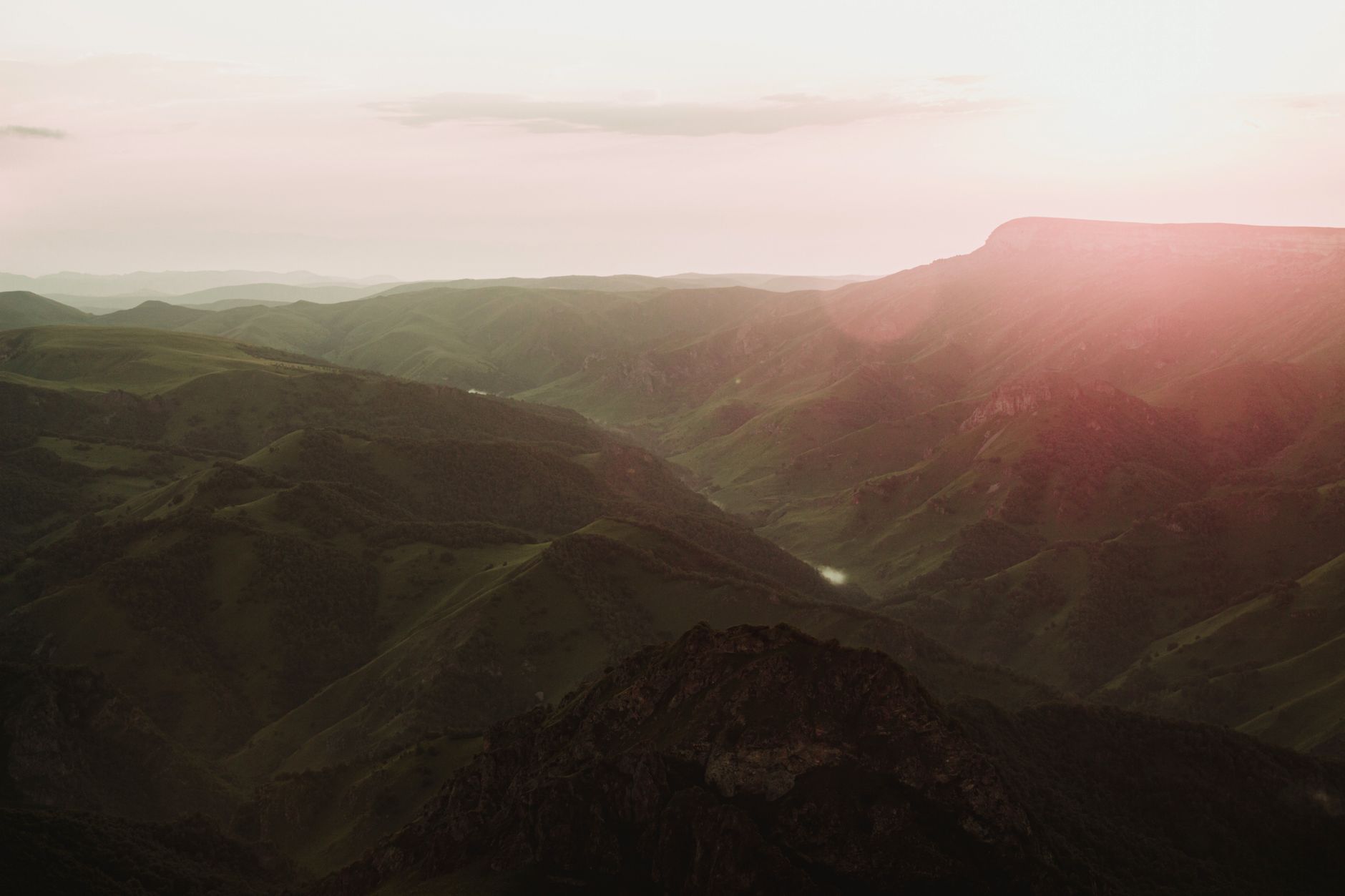
Photo by Yaroslav Chaadaev on Pexels
Open world design is one of the most discussed topics in games, and one of the most misunderstood. The conversation almost always bottlenecks at size. How many square kilometres? How many hours of content? How many icons on the map? These are the wrong questions. Some of the most celebrated open worlds are relatively compact. Some of the biggest feel like nothing at all.
What separates a world that pulls you forward from one that just sits there comes down to a handful of design decisions. Most of them are invisible when they're working. You only notice them when they're absent.
Density over scale
The single biggest mistake in open world design is conflating size with richness. A 200-kilometre map filled with empty terrain and copy-pasted villages isn't generous. It's diluted. Players don't want more world; they want more world worth caring about.
The games that get this right pack their spaces tightly. Every ruined building suggests a history. Every abandoned camp has a note that explains who was there. The geography itself tells a story, so that walking from one point to another isn't dead time between objectives. It's the objective.
Density is harder to achieve than scale, which is exactly why so many studios default to scale. Filling a large map with handcrafted details requires decisions about what matters and what doesn't, and that requires a strong editorial hand across the whole design team.
Systemic reactivity
A great open world responds to the player in ways that feel earned rather than scripted. Not every reaction needs to be a cutscene or a quest flag. Sometimes it's a guard who remembers your face. Sometimes it's weather that makes a familiar valley look threatening. Sometimes it's a predator that wanders into a fight you're already losing.
The technical term for this is systemic design: layering rules and behaviours that interact with each other rather than firing in isolation. When systems talk to each other, emergent moments happen. Those moments feel authored even when they weren't. Players remember them specifically because the game didn't plan them.
This is closely connected to what makes a great video game boss fight work: the best encounters use systemic logic rather than scripted phases, so the player's own choices shape the outcome rather than a fixed sequence of events.
Legible exploration incentives
Players explore when they believe something is worth finding. That belief has to be built through consistent feedback. If the first ten deviations from the main path reward curiosity with something meaningful, a player learns to trust the world. If the first ten lead to copy-pasted loot and empty caves, the player stops looking.
The best open worlds earn their mystery early. They put something genuinely surprising within reach in the first hour. Not the best thing in the game, just something that couldn't have been predicted from the map screen. That single moment teaches the player a rule: this world keeps secrets worth finding.
Reward distribution matters too. Not every discovery needs to be loot. Some of the most memorable finds are pieces of environmental storytelling, a vista that recontextualises where you've been, a conversation that changes how you read a faction you've been fighting for hours. Open-world RPGs that capture this feeling tend to treat geography itself as a form of writing.
A believable economy of movement
How a player moves through the world shapes everything else. Fast travel is the most debated mechanic in open world design, and the debate is mostly confused. Fast travel isn't the problem. Mandatory fast travel, or fast travel that's so convenient it removes any reason to walk, is the problem.
The tension is real. Players with limited time need efficient ways to reach content. Players who want immersion need friction that makes the world feel physical. Good design serves both by making travel itself interesting enough that the player has a genuine choice. Mount systems, traversal abilities, dynamic events that trigger along known routes: these are tools for making the journey competitive with the destination.
Travel also determines pacing. An open world where every inch can be skipped is an open world that has given up on atmosphere. Some of the most effective sequences in open world games are mandatory slow walks: no objectives, no HUD markers, just the world doing its work.
A world that exists without the player
This is the hardest thing to build and the easiest to feel when it's missing. A world that springs into existence only when the player arrives feels like a set. Factions that don't move without a quest trigger. NPCs on loops that begin and end in the same spot. Enemies that spawn from a fixed point the moment you enter a radius.
The illusion of autonomy is enough. Players don't need real AI making real decisions. They need the feeling that decisions were made before they arrived. A village where the blacksmith is already mid-conversation when you walk in. A battlefield where bodies suggest a fight that happened hours ago. A merchant who's sold out of something because the world has been running while you were elsewhere.
This connects to character design at every level. Just as a great video game sidekick gives the protagonist someone to react to rather than just a helper to carry items, a great open world gives the player a world to react to rather than a canvas to fill.
Strong narrative anchors
Freedom without stakes is just wandering. The best open worlds give the player reasons to care that don't evaporate the moment a side quest is complete. A central conflict that feels genuinely urgent. Factions whose goals make sense even when they conflict with the player's. Characters whose fate is tied to the world's state rather than a fixed dialogue tree.
The narrative anchor doesn't have to be central to every moment. It just has to exist as a gravitational pull. Players can drift far from it, but they know it's there. That knowledge makes the drifting feel like a choice rather than forgetting where they were supposed to be.
None of this is a checklist. The best open worlds in the past decade have each solved these problems differently. Some lean hard into systems and let story emerge. Some use tight narrative to justify a smaller, denser world. The common thread isn't a feature set. It's the sense that every decision was made in service of making the player want to see what's over the next ridge.