What makes a great video game villain
A great video game villain isn't just a final obstacle. The best ones reframe everything that came before them, and the design principles behind them are surprisingly consistent.

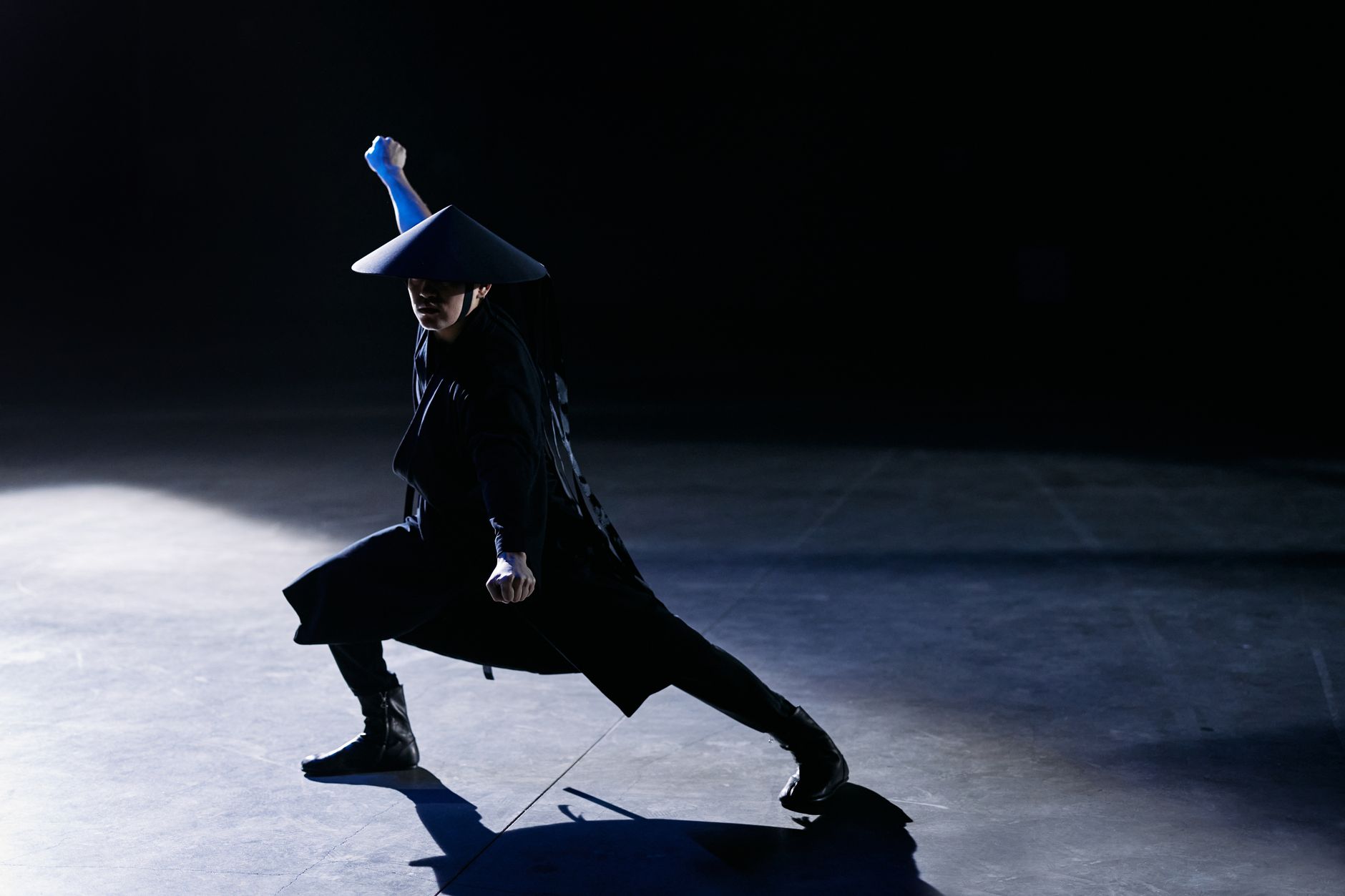
Photo by cottonbro studio on Pexels
A video game villain can make or break a narrative. Players spend dozens of hours with these antagonists shadowing every decision, and when the writing lands, the payoff is something closer to literature than entertainment. When it doesn't, no amount of spectacle in the final boss arena fixes the damage. So what actually separates a villain worth remembering from one who's forgotten by the credits?
Motivation is the foundation, not a detail
The weakest antagonists want power or destruction without any clear reason rooted in the game's world. The strongest ones want something the player might, in a different context, want too. Kefka Palazzo from Final Fantasy VI is genuinely nihilistic rather than cartoonishly evil, and the game earns that reading by showing exactly how the world's institutions created him. Handsome Jack in Borderlands 2 believes he's the hero of his own story so completely that it works as satire. Both characters are monstrous. Both are legible.
Motivation doesn't need to be sympathetic. It needs to be coherent. A villain whose goals follow logically from what the game has established will feel real even when those goals are reprehensible. The moment motivation becomes arbitrary, the antagonist collapses into a plot device.
The villain should change what the player knows
Good villain design doesn't just obstruct the protagonist. It recontextualises the story. Spec Ops: The Line built its entire argument around a single revelation about the antagonist's relationship to the player character, and it retroactively changed every decision made up to that point. That's an extreme case, but the principle holds at smaller scales too.
When a villain reveals information about the game's world that the hero couldn't or wouldn't, the player leaves encounters with more understanding, not just a cleared checkpoint. Vergil in the Devil May Cry series works this way: every confrontation with him tells the player something new about what Dante actually values and fears. The fights have narrative function beyond spectacle.
Compare that to games where the antagonist exists mainly to deliver exposition and then die. Those characters are scaffolding, not villains. The story uses them and discards them without loss.
Presence without overexposure
One of the hardest things to calibrate in antagonist design is screen time. Too little and the villain feels like a rumour. Too much and the mystery evaporates, often revealing a character that doesn't sustain close inspection.
GLaDOS from Portal works partly because every line she delivers is carefully rationed. She's present for the whole game, but the writing never exhausts what she can say. Sephiroth in Final Fantasy VII is physically absent for most of the game and the restraint is the point. When he appears, the weight of all those absences lands.
Many modern open-world games struggle here. When the main antagonist appears in every second cutscene to monologue at the player, familiarity breeds indifference. The villain who can afford to be patient is usually scarier than the one who can't stop explaining their plan. Games like those covered in our look at open-world RPGs worth losing yourself in often grapple with this problem, since sprawling worlds make it structurally harder to control antagonist exposure.
The final confrontation has to pay off what was promised
Players carry expectations into a final boss fight. They've been told, shown, or made to infer what this character is capable of. If the fight doesn't match that characterisation, something breaks. It doesn't need to be mechanically punishing. It needs to feel like a genuine encounter with the person the game spent hours building.
The God of War series handles this well. Boss encounters in those games tend to reflect character: a fight against a vain god feels different from one against a grief-stricken warrior. If you've been following how that series navigates its antagonists, the discussion in our piece on what makes God of War Ragnarök worth revisiting covers how the sequel extends that approach into its more complicated cast.
The Resident Evil series has historically had the opposite problem: mechanically interesting final encounters attached to lore-heavy antagonists who arrive too late in the story to carry the weight the game assigns them. It's a tension the series never fully resolves, and it's one reason debates about which Resident Evil entry does it best tend to fracture along exactly this fault line.
What separates a rival from an antagonist
Not every great villain is purely oppositional. Some of the most memorable antagonists function as dark mirrors: characters who made different choices from the protagonist, or the same choices in a different order, and ended up somewhere the player fears. N in Pokémon Black and White is the clearest example from a franchise not known for narrative complexity. He wants something comprehensible, his methods are coherent, and by the end the game invites the player to sit with genuine ambivalence rather than relief.
That ambivalence is the mark of a villain who's done real work. Satisfaction in defeating them coexists with something that doesn't feel entirely like victory. That's harder to design than a pure threat, and rarer. When it lands, it's the thing players are still talking about years later.
Three design traps worth naming
Most forgettable villains fall into one of three patterns. First: the backstory dump, where the antagonist's entire motivation is delivered in a single cutscene just before the final fight, giving the player no time to process or care. Second: the power-scaling villain who exists only to make the player feel the need to grind more, with personality subordinated entirely to mechanical function. Third: the twist villain, introduced late as a surprise antagonist replacing the one the player had been engaged with. Twist villains almost never work, because they require the player to retroactively care about a character they haven't had time to develop feelings about.
Good antagonist design is, at its core, about time. Time given to motivation, time calibrated for presence, and time spent earning the final encounter. The villains that stay with players are almost always the ones where the game trusted its audience to sit with complexity rather than resolving it too quickly.