Wagering operator sponsorship exits: what happens when a deal ends
Ending a wagering sponsorship in Australia is rarely as simple as letting a contract lapse. The wind-down involves advertising restrictions, naming rights transitions, and compliance obligations that can outlast the deal itself.

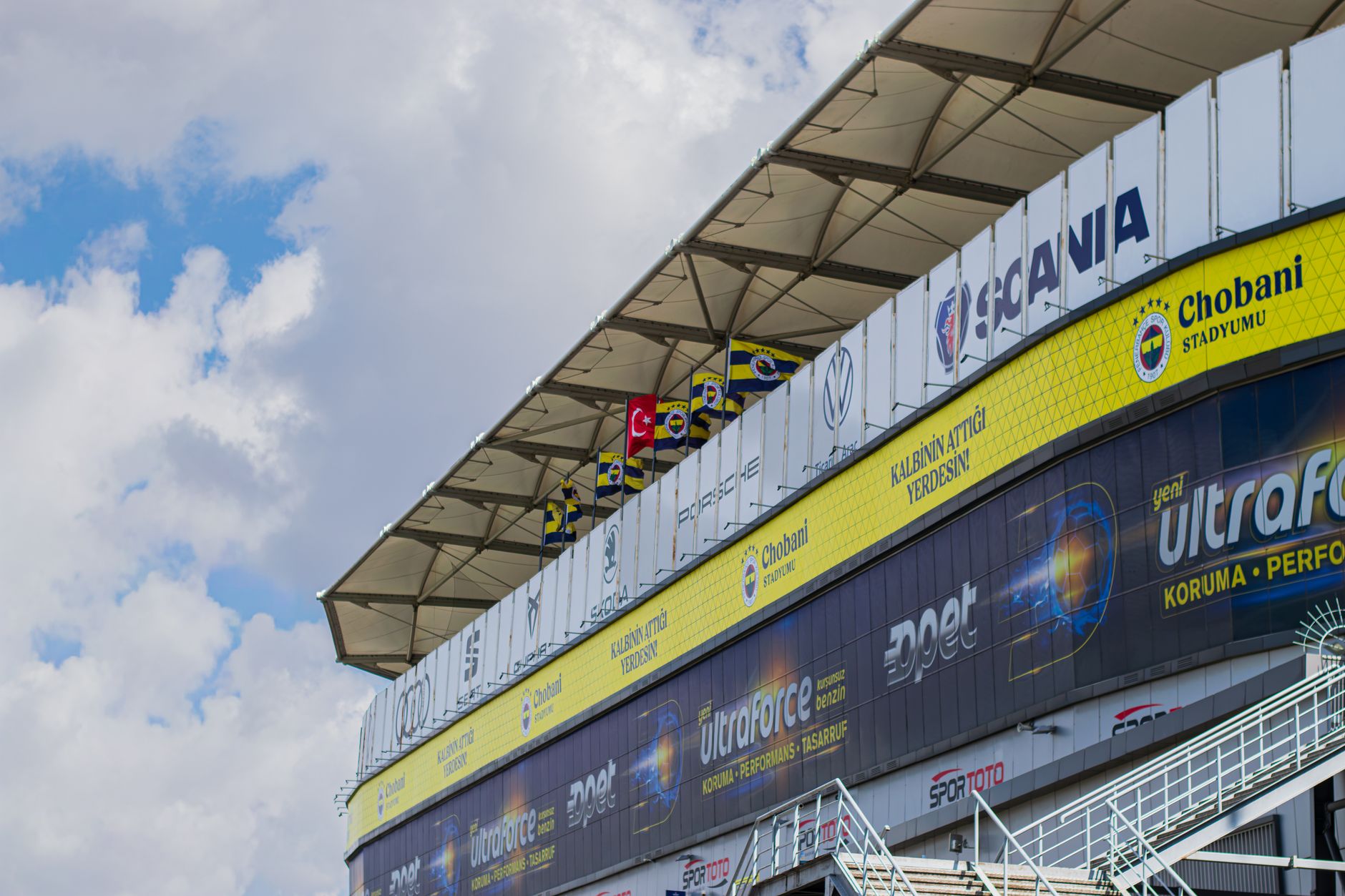
Photo by Gorkemography on Pexels
Wagering operator sponsorships with Australian sporting clubs and broadcasters generate significant revenue for both sides, but when these deals end, the exit process is far more complex than most parties anticipate. Whether a contract lapses, is terminated early, or is not renewed following regulatory pressure, the obligations that attached to the original agreement don't simply disappear when the final whistle blows.
Why these deals end
Sponsorship exits happen for several distinct reasons in the Australian context, and the reason matters because it shapes what each party owes the other afterward.
Regulatory pressure is the most common driver right now. Australia's tightening restrictions on gambling advertising during live sport broadcasts have prompted operators to reassess deals where broadcast-linked visibility was the primary commercial rationale. If a naming rights arrangement delivered value mainly through on-screen logo placements during televised matches, and those placements are now restricted, the deal's economics change before the contract does.
Commercial restructuring is the second driver. Operators that have been acquired, merged, or consolidated often inherit sponsorship portfolios they didn't negotiate. The deal signed by a predecessor brand may not align with the acquiring operator's market position or compliance posture. Entain's consolidation of Ladbrokes and Neds, for example, created internal questions about which brand should carry which sporting association.
Finally, some exits are simply mutual. Rights holders look for partners with stronger digital activation, and operators find that stadium signage delivers less return than search and social in a mobile-first wagering market.
What the contract actually governs at exit
Most wagering sponsorship agreements in Australia include termination clauses, but those clauses rarely anticipate the full scope of wind-down activity. Three areas consistently cause disputes.
First: residual branding. When a deal ends, digital assets, stadium signage, and kit logos don't update instantly. A club's website may carry the operator's name for weeks after the relationship ends. Contracts that don't specify a removal timeline leave both parties exposed. The operator faces advertising compliance risk if its brand continues appearing in contexts now subject to restriction. The club faces confusion if fans see a brand the club no longer officially partners with.
Second: naming rights transitions. These are the most commercially sensitive exits. A stadium or competition carrying an operator's name requires a parallel inbound deal before the outbound one is announced, or the rights holder carries a reputational and commercial gap. The transition period, which can run from 90 days to 12 months in practice, typically involves the outgoing operator's brand continuing to appear while the new arrangement is negotiated. That continuation has compliance implications if the original deal pre-dated new advertising rules.
Third: data and player referral obligations. Some wagering sponsorship deals included performance provisions tied to customer referrals or affiliate-style arrangements, where the club's digital channels directed fans toward the operator's platform. When those arrangements end, the data-sharing and referral mechanics must be formally closed. Operators have obligations under Australian Privacy Act provisions to ensure fan data collected via club partnerships isn't retained beyond its original purpose.
The advertising compliance dimension
Wagering advertising rules in Australia apply to what an operator publishes, not just to what it currently intends. This means that residual materials from an expired sponsorship, kit with an operator logo appearing in a replay, a club's social media archive, or a co-branded competition microsite still active online, can generate compliance exposure for the operator even after the deal has formally ended.
The inducement rules governing Australian wagering advertising extend to promotional materials broadly, so an archived landing page offering a sign-up promotion associated with the club partnership could attract regulatory attention if it remains accessible after the sponsorship concludes.
Prudent operators build a formal "dark list" into exit procedures: a checklist of every digital and physical asset bearing the brand's name and the deadline by which each must be removed or altered. This isn't standard practice yet across the sector, but operators that have faced ACMA scrutiny are increasingly adopting it.
What rights holders need to do
Sporting clubs and competition administrators sit on the other side of these transitions. Their primary concerns are continuity of revenue and reputational management, particularly when the exiting operator was a major sponsor.
The practical steps rights holders should take include: notifying relevant state regulators if the sponsorship involved any charitable or community benefit components, reviewing any exclusivity provisions that may prevent them from approaching competitor operators during a lock-out period, and auditing their own digital estate for co-branded content that could create confusion about the club's current commercial relationships.
Some Australian clubs have been caught short when an operator exited before the club had secured a replacement. Without a binding notice period of at least 6 months, clubs find themselves mid-season without a named sponsor, which creates its own set of stakeholder management challenges.
Regulatory notification requirements
Not every sponsorship exit triggers a formal regulatory notification, but several scenarios do. If the sponsorship was part of a licensed operator's application materials (some state licences require disclosure of major commercial partnerships), a material change to those arrangements may require notification to the relevant state regulator. Northern Territory, which licenses a large share of Australia's online wagering operators, has disclosure requirements that touch on significant commercial arrangements.
Operators should also consider their obligations under anti-money laundering frameworks. Where a sponsorship deal included ticket or hospitality transfers of significant value, those flows need to be documented and closed cleanly to satisfy AML record-keeping requirements. This is an area where legal and compliance teams are often brought in too late in the exit process.
The rebranding overlap problem
A specific scenario worth understanding is the rebrand-triggered exit. When an operator changes its brand name, existing sponsorships nominally attached to the old name require formal novation to transfer to the new name. Without that novation, the rights holder may find itself in a contract with an entity that no longer exists as a legal trading name.
This matters because rebranding a licensed wagering operator in Australia is a regulatory event in itself, involving changes to licence conditions and public-facing disclosures. A sponsorship agreement that isn't updated in parallel creates a gap between what the licence says and what the marketing says. That gap is exactly what auditors and regulators look for.
The practical fix is straightforward: any rebranding process should include a full audit of active sponsorship agreements and a formal novation process run alongside the licence variation. It costs time, but it costs far less than a compliance review triggered by a mismatch.
What the market is learning
The Australian wagering sector is still developing its institutional knowledge around sponsorship exits. Many of the deals signed 5 to 7 years ago were negotiated before the current advertising restrictions existed, and exit clauses written then don't map cleanly onto today's compliance environment.
Operators that treat exit planning as an afterthought during contract negotiation consistently face the most difficult wind-downs. The most effective approach is to negotiate exit mechanics, including removal timelines, data closure procedures, and regulatory notification responsibilities, at the same time as the deal terms. It's standard practice in other regulated industries. In Australian wagering, it's still the exception.