Gambling advertising ban during live sport: where Australia stands now
Australia's push to ban gambling advertising during live sport broadcasts has moved from political debate to concrete legislative action. Here is where the rules stand and what they mean for operators.

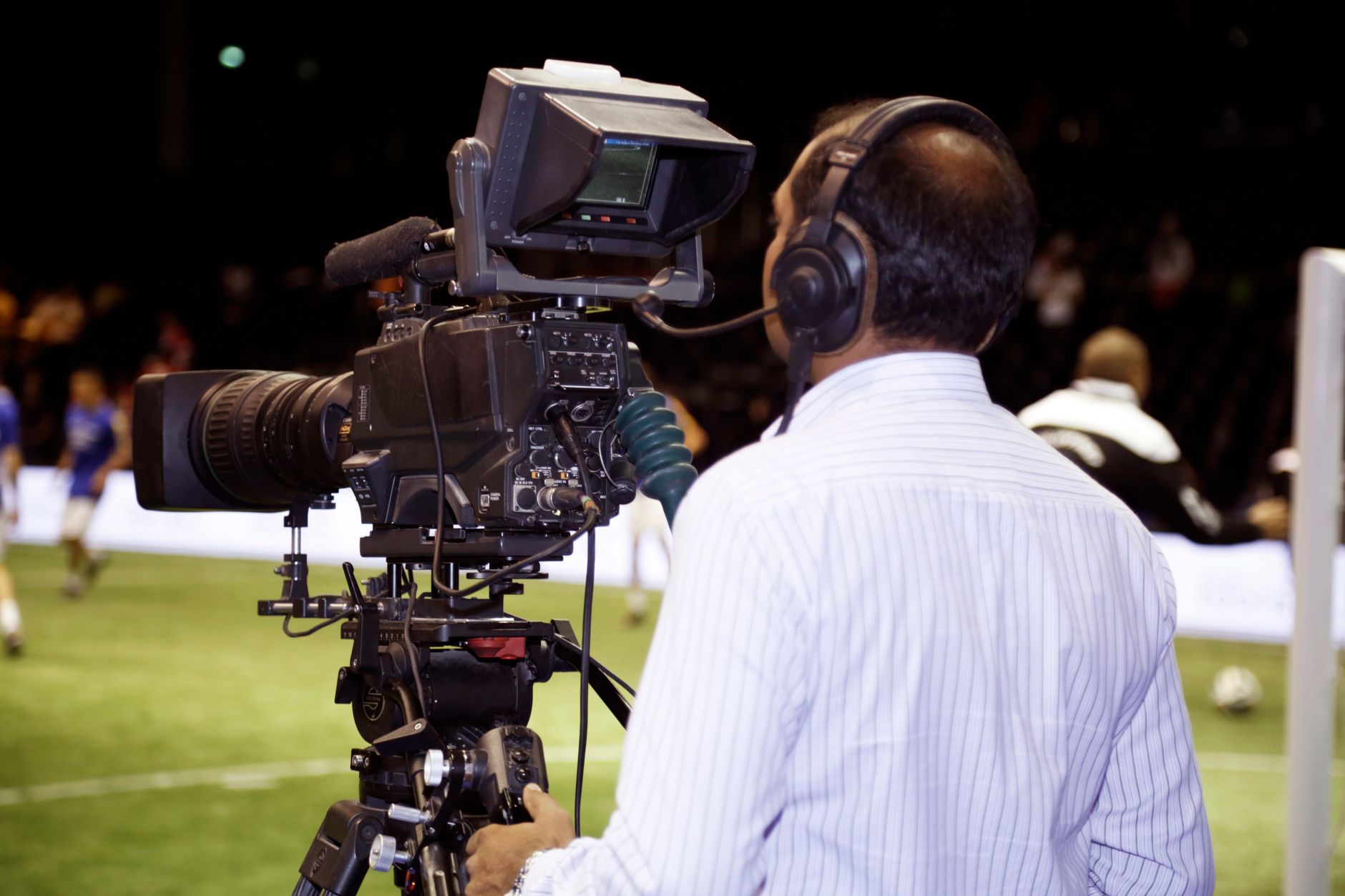
Photo by Aslam Jawaid on Pexels
Gambling advertising during live sport has been one of the most contested regulatory issues in Australia's iGaming sector for several years. After rounds of parliamentary inquiry, industry consultation, and political negotiation, the framework has shifted substantially. What was once a patchwork of self-regulatory codes and timing restrictions is now underpinned by mandatory broadcast prohibitions, with further measures still working through the legislative pipeline. Here is a plain-language account of where things stand.
How the restrictions developed
For most of the past decade, gambling advertising on Australian broadcast television was governed by the Broadcasting Services (Online Content Service Provider Rules) Act and a series of industry codes. Those codes placed some limits on when ads could run, but enforcement was inconsistent and complaints-driven. The advertising remained pervasive during live sport, particularly in AFL, NRL, and cricket broadcasts, prompting sustained public criticism and eventually a formal parliamentary inquiry.
The Inquiry into Online Gambling and Its Impacts on Those Experiencing Gambling Harm, completed in 2023, recommended a staged ban on gambling advertising across broadcast, streaming, and online platforms. The Albanese government accepted the recommendations in principle, and legislation to implement a broad live-sport gambling advertising prohibition was introduced to parliament. The central measure bans gambling ads from five minutes before a live sport broadcast begins until five minutes after it ends, covering free-to-air television and subscription television.
What the ban covers
The prohibition targets gambling advertising in the context of live sport broadcasts on licensed Australian broadcast services. It applies to television (both free-to-air and pay) and extends to streaming services that carry live sport. Radio is also captured for live-sport commentary. The restrictions cover all wagering product advertising, including sports betting, racing, and any other forms regulated under the Interactive Gambling Act.
The timing window is a minimum blackout of five minutes before the event and five minutes after. During the broadcast itself, no gambling ads may appear at all, including in ad breaks. This is a harder standard than the previous code-based regime, which allowed ads in some break positions and was subject to interpretation by broadcasters and rights holders.
Advertising that promotes responsible gambling messaging from approved bodies, such as campaigns by state-funded services or BetStop, is treated separately and is not subject to the same restrictions. The distinction matters operationally: operators cannot run brand advertising under the guise of responsible gambling messaging.
What remains contested
Several issues remain unsettled. Digital and social media platforms sit in a complex position. While the broadcast restrictions cover streaming of live sport, general online display advertising and social media placements are governed separately, and the rules applying to platforms such as Meta and Google are still being worked through. Operators, broadcasters, and platforms have each made representations to government about the scope of any digital extension.
There is also ongoing debate about the total volume of wagering advertising outside the live-sport context. The current legislation targets live sport specifically. Advertising during non-sport programming, in print, on outdoor media, and via direct digital channels remains subject to less stringent controls, though the broader advertising framework does impose some limits through inducement rules and the Interactive Gambling Act's provisions on prohibited advertising.
The treatment of racing is another area of nuance. Racing broadcasts have historically been treated differently from sport, partly because the racing industry has argued that wagering advertising is integral to the product itself. The current regime captures some racing content, but the precise boundaries are still subject to regulatory interpretation and industry lobbying.
Compliance obligations for operators
For licensed wagering operators, the practical obligations fall into several categories.
- Creative and placement review: All advertising scheduled around live sport broadcasts must be audited against the new timing rules. This includes pre-purchased spots with broadcasters and automated digital placements that may run adjacent to live-sport streaming.
- Affiliate and partner arrangements: Operators cannot outsource compliance risk to affiliates or media partners. If an affiliate runs a gambling ad during a prohibited window, the operator carries exposure.
- Social media scheduling: While the law's reach to social platforms is still being defined, operators should treat live-sport windows conservatively and avoid scheduling wagering promotions that could appear during broadcasts.
- Sponsorship distinctions: Naming rights and jersey sponsorships are not advertising in the broadcast sense and are not directly captured by the live-sport ban. However, in-broadcast promotion of a sponsor's wagering product (such as a call to action or odds display) would likely trigger the prohibition.
Enforcement and penalties
The Australian Communications and Media Authority (ACMA) holds primary enforcement responsibility for broadcast advertising rules. ACMA's powers include formal warnings, infringement notices, civil penalty orders, and referral to the Federal Court for serious or repeated contraventions. Financial penalties for broadcast licence holders can be substantial, and ACMA has signalled that it will take a proactive rather than complaints-only approach to monitoring compliance with the new live-sport restrictions.
Operators face indirect exposure. The direct liability for a non-compliant broadcast placement rests with the licence holder (the broadcaster), but operators whose advertising runs in a prohibited window will face scrutiny from ACMA and potentially their own state-based licensing authority. Given that wagering licences already require ongoing fit-and-proper compliance, a pattern of advertising breaches could carry licence-level consequences.
What comes next
The legislative position as of mid-2026 is that the live-sport broadcast ban is in place, but the broader question of gambling advertising volume, digital reach, and the treatment of racing is still being resolved. Government has indicated further consultation on a potential total advertising ban, though no final decision has been made and the industry has mounted sustained opposition to the most expansive proposals.
Operators would be well served to monitor the parliamentary calendar and ACMA guidance closely. The direction of travel is clear: restrictions are tightening, enforcement is becoming more active, and the self-regulatory era for gambling advertising in Australia is effectively over. Building compliance into advertising workflows now, rather than waiting for the next amendment, is the more defensible position.