Wagering brand naming in Australia: how operators choose and protect their brands
Choosing and protecting a wagering brand name in Australia is far more complex than it looks, touching trademark law, ACMA compliance, and advertising rules that can make or break a market entry.

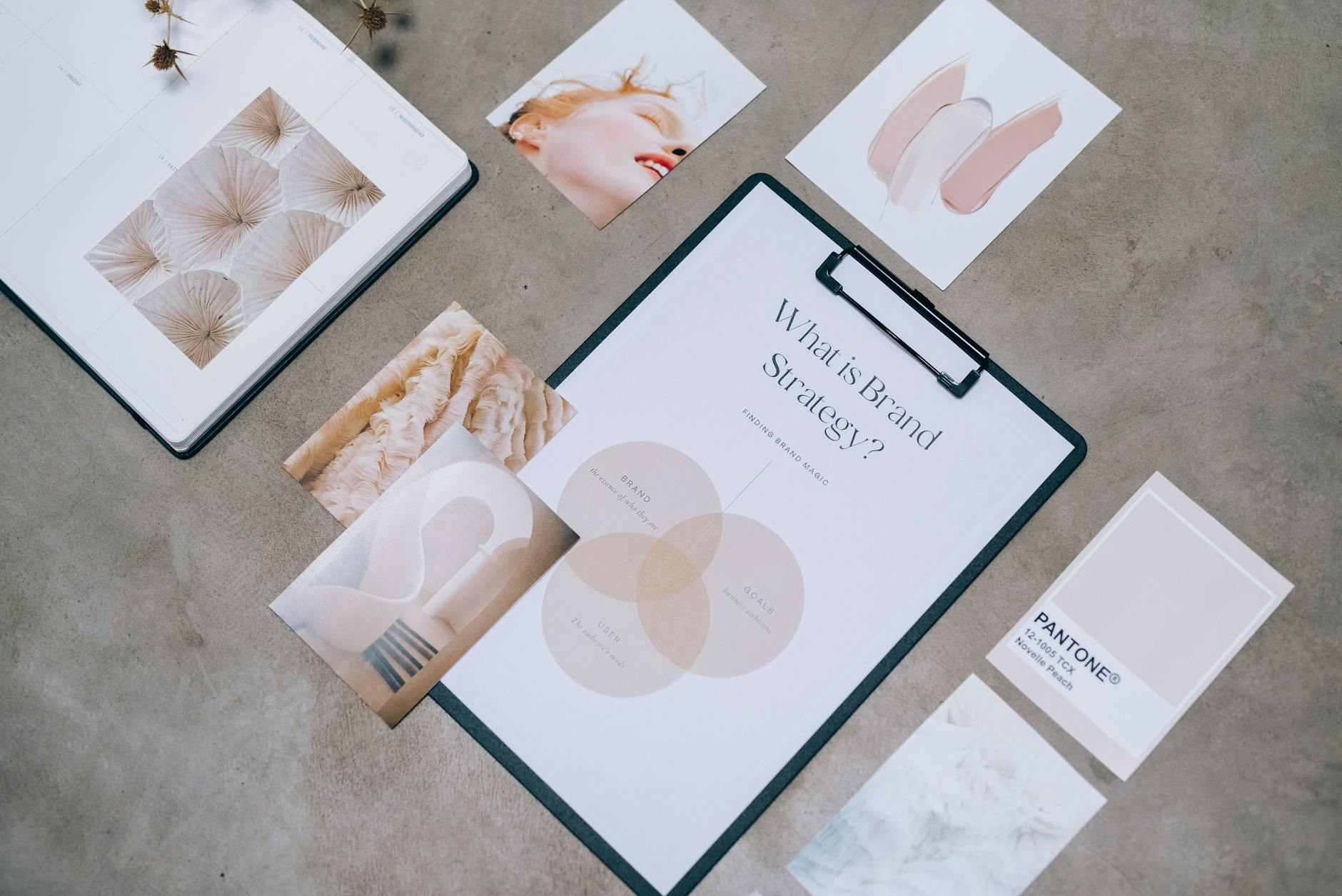
Photo by Leeloo The First on Pexels
Wagering brand naming in Australia sits at the crossroads of commercial strategy, trademark law, and a regulatory environment that has grown considerably more demanding since 2023. Operators entering the market or refreshing an existing brand face a layered approval process that extends well beyond registering a business name. Get the brand wrong and the consequences range from forced rebranding at scale to advertising that can't run at all.
Why brand naming matters more in wagering than other sectors
In most consumer industries, a brand name is primarily a marketing asset. In wagering it's also a compliance object. The Australian Communications and Media Authority monitors licensed operators and associates their registered trading names with specific licence conditions. A brand operating under a name not reflected in its licence can attract enforcement scrutiny even if the underlying service is fully compliant. That's a structural quirk that punishes sloppy naming from day one.
Brand names also appear verbatim in regulated advertising. Under the advertising rules that govern Australian wagering, any promotion that names a brand must match the licensed entity behind it. This matters acutely given gambling advertising during live sport is now subject to broadcast time restrictions, which means the brand name gets only seconds of airtime to land. Names that are long, hard to hear, or easily confused with competitors perform poorly under those constraints.
The trademark and business name layer
The first compliance step for any new wagering brand is clearance through IP Australia's trade mark register. Wagering sits in class 41 (entertainment and gambling services) and class 36 (financial services, given payment facilitation). Both classes need searching. A name that clears Google and ASIC's business name register can still fail a trademark clearance if a prior registrant holds rights in class 41, even if that registrant operates in a different sector of gambling. Sportsbet, Neds, Ladbrokes, TAB, and Bet365 all carry registered marks in these classes, which leaves genuinely novel naming space narrower than it appears.
The practical consequence: operators typically shortlist 8 to 12 candidate names and run trademark searches across all of them before committing to brand development. Changing a name after a website, app, and advertising creative have been built costs far more than the search itself.
What makes a wagering brand name commercially viable
Phonetics matter more than operators often expect. Three factors stand out consistently across successful Australian wagering brands.
- Short and distinct. One or two syllables outperform longer constructions in audio advertising. "Neds" and "TAB" register faster than compound names in a 5-second radio slot.
- Category cues without category lock-in. Names that hint at betting without being generic ("Sportsbet" carries a clear category signal) can be registered and defended more easily than names that simply describe the service.
- URL availability. The .com.au domain is the practical minimum for a locally licensed operator. Brands that can't secure their exact-match .com.au at launch face an immediate SEO and trust disadvantage.
Challenger brands entering a market already occupied by established names tend to go one of two routes: either a distinctly personal-sounding name (Neds was explicitly designed to feel approachable) or a functional tech-forward name that signals platform sophistication. Both approaches require the name to survive alongside inducement rules, which restrict how closely a brand name can function as a promotional offer in itself.
Inducement rules and how brand names interact with them
Australia's inducement advertising restrictions are detailed in state-level codes and the ACMA's broadcasting framework. A brand name can't itself constitute an inducement, which in practice means names built around phrases like "free bet" or "bonus" embedded in the trading name have been challenged by regulators. This isn't hypothetical. Operators in the UK market have faced similar rulings from the Advertising Standards Authority, and Australian regulators have signalled awareness of the tactic.
The rules on wagering advertising inducements apply to how the brand is promoted, not just what is in the creative itself. A brand name that reads as an implicit offer can trigger a review even when the surrounding advertisement is otherwise compliant. Legal teams advising on brand development increasingly include a standalone inducement-rule audit in their naming clearance process.
Protecting the brand after launch
Registration is only the start. Wagering brands face a specific threat from offshore look-alike sites that mimic their names and visual identity to capture misdirected traffic. This is both a consumer harm issue and a brand equity issue, and Australian operators have pursued takedown actions under the Interactive Gambling Act 2001 and IP law simultaneously. ACMA's blocking powers under the IGA allow it to direct ISPs to block sites that mimic licensed operators, which gives domestic brands a regulatory lever that doesn't exist in many other markets.
Brand monitoring is now standard practice at mid-to-large operators. Automated tools scan for domain registrations, app store listings, and social media accounts that incorporate the brand name, and legal teams act quickly on clear infringements. The cost of inaction is measured in player confusion and the reputational bleed that follows when a player who expected a licensed operator lands on an unlicensed one instead.
Rebranding: when operators change names and what it costs
Full rebrands in wagering are rare because the costs are large and the risks are real. CrownBet's transition through BetEasy and eventually into the Sportsbet and Neds structures required licence amendments, advertising creative rebuilds, player communications, and a sustained period where multiple brand names coexisted in market. Players who had saved the app under one name needed to be migrated. Loyalty and account structures had to carry across cleanly.
The lesson from that history is that naming decisions made at launch carry a long tail. An operator that picks a name quickly to meet a market entry deadline may find itself managing that choice for a decade. The trade-off between speed and rigour in the naming process is almost always resolved in favour of rigour by operators who have been through a rebrand once.
Brand naming and responsible gambling obligations
One emerging area of scrutiny is whether brand names and slogans carry connotations that conflict with responsible gambling obligations. Regulators and harm-reduction advocates have argued that certain brand presentations glamorise betting in ways that sit uneasily alongside mandatory responsible gambling messaging. This isn't yet a formal naming standard in Australia, but it has influenced the tone of brand guidelines at several operators who want to stay ahead of where the regulatory conversation is heading.
Operators building new brands now typically run the candidate names through a responsible gambling lens as part of their internal review. A name that scores well on trademark clearance, phonetics, and domain availability but lands badly in consumer research with problem gambling connotations is a liability waiting to surface at the worst possible time, which is usually during a parliamentary inquiry or a regulatory review cycle.