Barrier draw betting in Australian racing: how it works
Barrier draw betting lets Australian punters wager on a horse's gate position before the field is even declared. The mechanics are niche but commercially significant for bookmakers and serious form students.

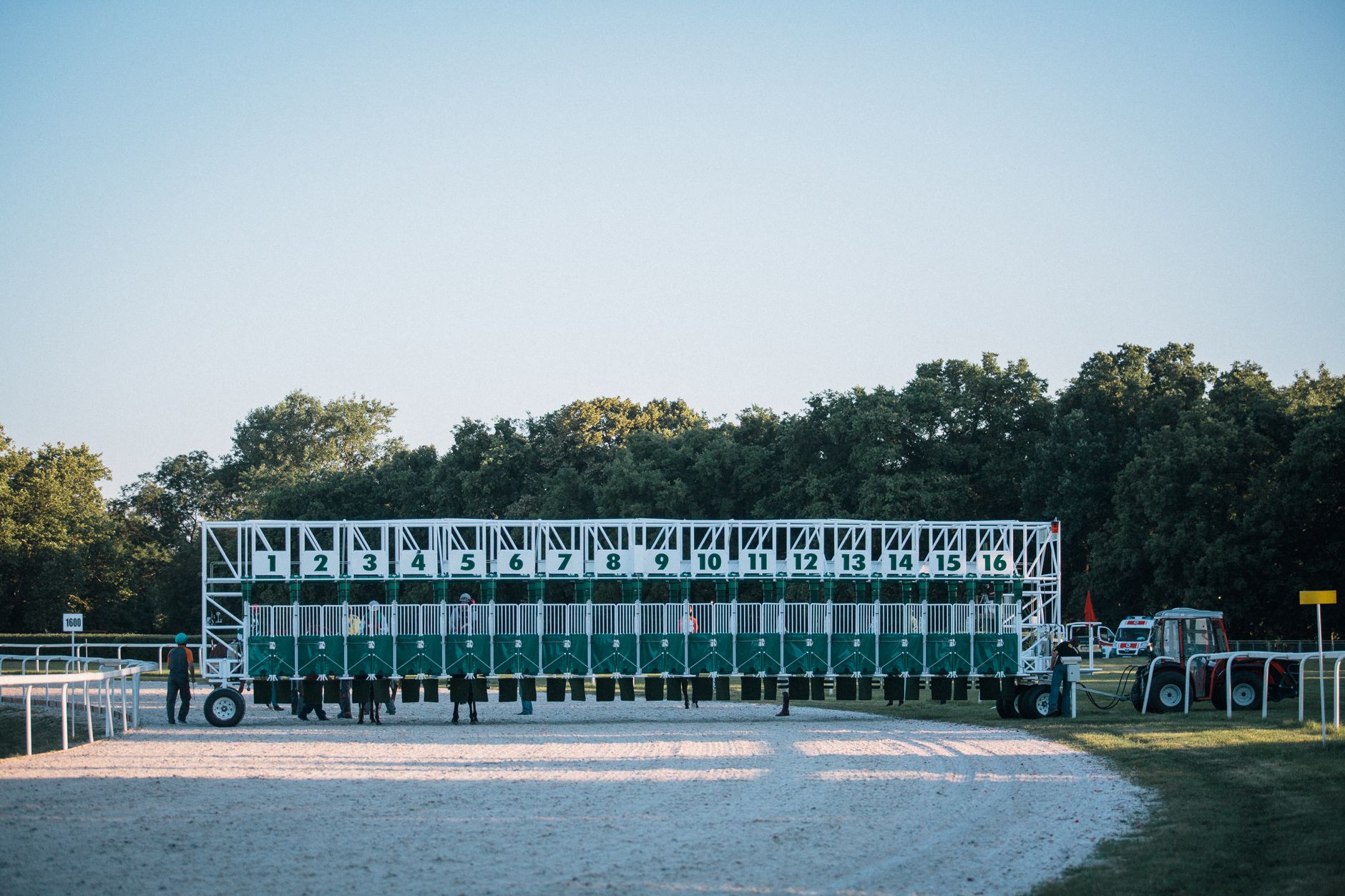
Photo by Bence Szemerey on Pexels
Barrier draw betting sits in a narrow but commercially interesting corner of Australian racing wagering. Punters place wagers on which gate number a specific horse will draw before the official barrier draw takes place, typically held in the days before a major race. It's a product most casual punters never touch, but one that attracts serious play around marquee races like the Melbourne Cup, Caulfield Cup, and Golden Eagle, where barrier position carries genuine influence on race outcome.
What the barrier draw market actually involves
A barrier draw market works differently from a standard win or place bet. Instead of backing a horse to finish in a certain position, you're backing it to land on a specific gate number, or within a range of gate numbers, when the draw is conducted. Bookmakers price up every possible barrier for each runner, and prices contract sharply as the market narrows to a handful of realistic outcomes based on field size.
For a 24-horse Melbourne Cup field, a horse might be priced at $12 for gate 1 and $3 for barrier 10–15. That spread reflects the statistical distribution of likely outcomes, not form. The bookmaker isn't making a judgement about the horse's racing ability. The price reflects pure probability across available barriers, adjusted for market liquidity.
Settlement is straightforward. Once the barrier draw is conducted and the official results published by the relevant racing authority, bets resolve immediately. There's no race to watch. That instant settlement makes the product attractive to a specific type of wagering customer who wants a sharp, low-latency event rather than a multi-hour wait.
How bookmakers price the market
Pricing a barrier draw market is largely a statistical exercise. If a field has 20 runners and 20 barriers, each barrier has an equal base probability of 5% for any given horse. The bookmaker's job is to build a margin on top of that base and then adjust for any structural factors that might skew the distribution.
Some draws aren't entirely random. Certain jurisdictions and race carnivals use allocation processes that sequentially assign barriers, meaning early-drawn runners in the random sequence get first pick of remaining gates. Bookmakers who understand the draw process factor this into their pricing. A horse drawn early in the sequence faces a different probability distribution than one drawn late, depending on how many low barriers remain available at the time of selection.
Market margin on barrier draw bets tends to be higher than on standard fixed-odds racing markets. Bookmakers justify this on liquidity grounds: barrier draw markets attract lower volume than win markets, so the operator carries more variance per dollar wagered and prices accordingly. Understanding this margin structure is part of what separates informed barrier draw punters from casual ones. For a deeper look at how bookmakers construct fixed-odds racing prices more broadly, the mechanics behind fixed-odds racing prices in Australian wagering are worth understanding first.
Which races generate meaningful barrier draw markets
Not every race has a barrier draw market. Bookmakers only offer the product when the race itself is significant enough to generate betting interest at the ante-post stage. In practice, this means Group 1 races, particularly those with large fields or strong international connections.
The Melbourne Cup is the dominant draw-betting event in Australia. Its 24-horse field, the commercial significance of barrier 1 versus barrier 24, and the enormous public profile of the race combine to produce genuine liquidity in barrier draw markets. Bookmakers consistently report that Cup barrier draw turnover has grown year on year as the product becomes better understood by the wagering public.
Beyond the Cup, Caulfield Cup, Cox Plate, and Golden Eagle barrier draw markets attract reasonable volume. State-based Group 1 races occasionally see barrier draw markets opened, but volume is thinner and pricing margins wider to compensate.
The form argument for and against barrier position
Barrier position matters in Australian racing, but the degree varies sharply by track and distance. At Flemington over 1600 metres, the inside barrier carries a documented advantage in certain rail positions. At Randwick over 1200 metres, wide barriers carry a penalty because horses must cover extra ground on a track with a pronounced camber.
This is where barrier draw betting overlaps with form study. A punter who has researched the Flemington mile record and believes gate 3 outperforms gate 18 by a statistically significant margin isn't just guessing. The bet is a way to profit from that research without committing to the horse winning the race outright. The horse could run second and the barrier draw bet still pays.
That said, draw advantage data is publicly available and bookmakers price it in. The edge isn't in knowing that barrier 1 is good at Flemington. It's in assessing whether the market has over-priced or under-priced a specific gate for a specific horse based on its running style and likely race conditions. Bookmakers competing for sharp money in barrier draw markets tighten their lines fast, so edges don't persist.
Operator obligations and settlement disputes
From an operator standpoint, barrier draw markets carry a distinct settlement risk compared to race result markets. The draw is conducted by the racing authority, not the bookmaker, and the official result is published on the race day programme. In practice, disputes are rare. The draw is a matter of public record with no ambiguity about which horse drew which gate.
Where complications arise is in late scratchings. If a horse is scratched after the barrier draw but before the race, its allocated barrier becomes vacant. Some bookmakers settle on the original draw result regardless of subsequent scratchings, treating the draw event as the settlement point. Others reserve the right to void bets if a horse is scratched before the race. This distinction matters for punters holding barrier range bets rather than specific gate bets, and it's worth reading the terms carefully before placing.
Operators who offer barrier draw markets also need to consider how these markets interact with their broader exotic wagering obligations. Australian racing wagering is governed by race field information use agreements, and any market that references a race field, including barrier draw markets, sits within that regulatory perimeter. The race field fee framework that applies to standard win and place markets extends to these derivative products as well. For background on how those fees work, the race field fees in Australian wagering article covers the mechanics in detail.
Who the market suits
Barrier draw betting attracts three distinct customer types. The first is the pure speculator who bets the draw for the same reason they'd bet a coin toss: a fast-settling binary event with clear odds. The second is the form student who has done the track bias homework and wants to express a view on gate advantage without the full race risk. The third, and smallest, group is the correlated bettor who uses the barrier draw market in conjunction with an existing race position bet, hedging their exposure if a key runner draws a wide gate.
Bookmakers generally welcome barrier draw action. The markets settle before the race, reducing the operator's exposure to in-running risk. Volume is predictable and concentrated around a small number of marquee events. And the product doesn't attract the same level of sharp professional activity as win markets, meaning margins are easier to sustain.
For punters newer to racing wagering, barrier draw betting is a useful entry point into understanding how track configuration, field size, and draw mechanics interact. It forces engagement with the structural elements of a race before worrying about which horse is in form. That's not a bad way to start building racing knowledge.