Fixed-odds racing prices in Australia: how bookmakers set them
Fixed-odds racing prices in Australian wagering are not guesswork. Bookmakers use a structured process of form analysis, market signals, and liability management to price every runner before a race fires.

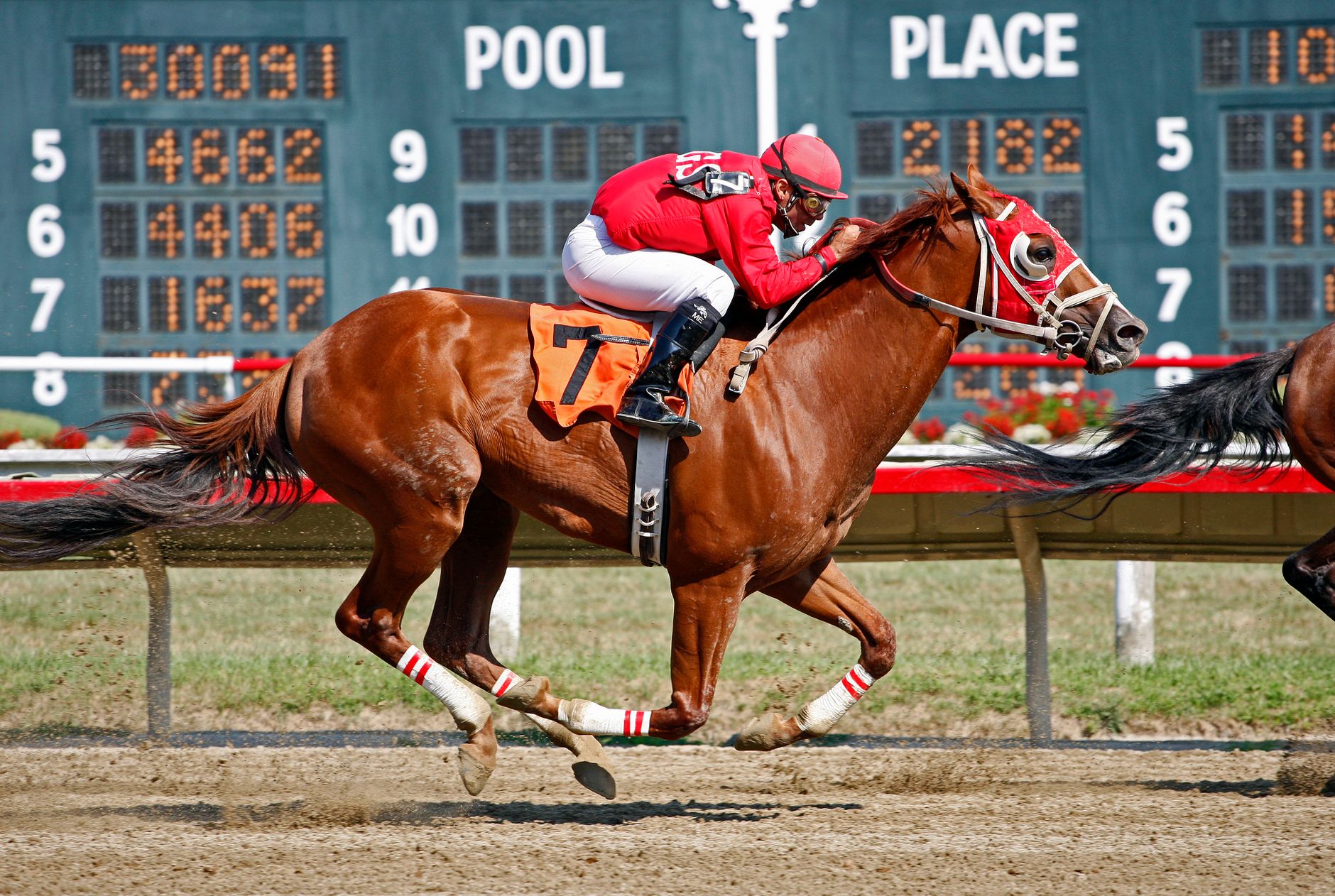
Photo by James Anthony on Pexels
Fixed-odds racing prices sit at the commercial heart of Australian wagering. A punter locking in a price at 10am for a 3pm race is taking a position against a bookmaker who spent hours building that market. Understanding how that price was assembled matters for operators, traders, and anyone watching how the market moves.
Where the opening price comes from
The first price a bookmaker publishes for a race is called the opening, or early, price. Traders compile it from several inputs. Form data is the starting point: sectional times, weight adjustments, track bias, jockey or driver bookings, and barrier draws all feed into an initial probability estimate for each runner. From that probability estimate, the trader converts percentage chances into decimal odds and adds a margin across the field.
That margin, sometimes called the overround, is what ensures the book returns a profit if the money distributes roughly in line with the prices. A well-constructed market on an eight-runner field might carry an overround of around 110 to 115 per cent. Each runner's implied probability adds to more than 100 per cent, and that excess is the bookmaker's built-in edge.
For thoroughbred racing, the opening price is often also influenced by early starting price signals from other markets and by what the totalisator is showing. A runner attracting early tote money before fixed-odds markets open is a signal that sharp money is moving, and traders respond accordingly.
How prices shift after opening
A fixed-odds price is never static. Once the market is live, several forces push prices up or down throughout the day.
Liability is the primary driver. When a bookmaker takes a large bet on one runner, the exposure on that runner rises. Traders shorten the price to reduce further liability and simultaneously lengthen prices on others to attract money to the opposite side of the book. The goal is to balance exposure across the field so that the overround, not a single result, determines profitability.
Market intelligence from interstate and international markets matters too. Australian bookmakers watch each other closely. A sharp move in one market is replicated quickly across competitors, which is why prices on major races can shift within seconds of a large bet being placed anywhere in the country. The thoroughbred wagering market in particular is efficient enough that sustained mispricings rarely last more than a few minutes during peak market hours.
Late scratchings create a different problem. When a runner is withdrawn, the overround collapses, and bookmakers must redistribute the margin across remaining runners. Scratchings are subject to refund rules or scaling calculations under fixed-odds conditions, and traders need to reprice the field quickly to maintain a viable margin without triggering a wave of favourable arbitrage.
The role of algorithms and human traders
Larger operators use automated pricing engines that generate initial markets from form databases and adjust prices in real time based on bet flow. These systems can process thousands of price adjustments per day across races in multiple states and code. But algorithms don't replace humans. Senior traders monitor automated output, intervene when a model is exposed to unusual bet patterns, and make discretionary calls on races where the automated inputs are unreliable, such as fields with multiple debutants or unusual track conditions.
Smaller operators, and those with a focus on specific codes, often rely more heavily on human traders who bring deep code knowledge. A specialist greyhound trader, for example, may adjust prices based on box draw analysis or trainer patterns that a general-purpose form model would weight differently. The degree to which exotic wagering markets such as trifectas and first fours are priced manually versus algorithmically also varies significantly by operator.
Margin management across race types
Not all race types carry the same margin. Higher-profile races with deeper form guides and more liquid markets tend to carry tighter margins, because competition between bookmakers compresses prices toward fair value. A Group 1 metropolitan race on a Saturday will typically have a tighter overround than a provincial maiden on a Tuesday.
Greyhound and harness markets generally carry wider margins than thoroughbreds, partly because form analysis is less standardised and partly because the punter pool is smaller, making individual large bets more likely to distort the book. Operators price that uncertainty in.
Multi-leg products complicate margin management further. A double or a multi is priced by compounding the individual race margins, which means the effective margin on a four-leg multi can be considerably higher than any single-race price. Operators use these products to maintain profitability in a competitive single-race environment without having to directly reduce head-to-head pricing.
Race field fees and their effect on pricing
Fixed-odds pricing in Australia doesn't operate in isolation from the broader levy structure. Race field fees, paid by bookmakers to racing bodies for the right to offer a market on a race, add a direct cost that traders must recover through margin. The fee structures vary by state and by racing code, and they affect how aggressively an operator can price in lower-revenue markets.
A bookmaker paying a higher race field fee on a particular code or jurisdiction has less room to tighten its margin without compressing profitability. This partly explains why fixed-odds markets on some provincial meetings remain less competitive than capital city equivalents, even when the fields are of comparable quality. For a full picture of how race field fees are structured, the race field fee framework explains how those charges flow between wagering operators and racing bodies.
What punters can read from price movements
For sophisticated punters, the way a price moves is often as informative as the price itself. A runner that shortens significantly before official betting opens typically reflects weight-of-money signals from sharp accounts or stable connections. A runner that drifts despite positive form signals may indicate the trainer camp is not confident, or that a model has flagged a fitness concern not visible in the public form guide.
Bookmakers are aware that some punters treat price movements as signals. This is one reason operators use account-level restrictions on customers whose betting patterns correlate with subsequent market moves, a practice that sits at the centre of the ongoing minimum bet liability debate in Australia.
Fixed-odds pricing is ultimately a competition between the bookmaker's model of the race and the market's collective view. When they diverge, money moves, prices adjust, and the gap closes. That dynamic is what makes the fixed-odds market one of the more transparent pricing mechanisms in Australian wagering, even if the machinery behind it is rarely visible to most participants.