Exotic wagering in Australian racing: how trifectas, first fours, and multis work
Exotic wagers generate a disproportionate share of Australian racing revenue, yet the mechanics behind trifectas, first fours, and multis are often misunderstood by new operators. Here is how each product works and why the pool structures matter.

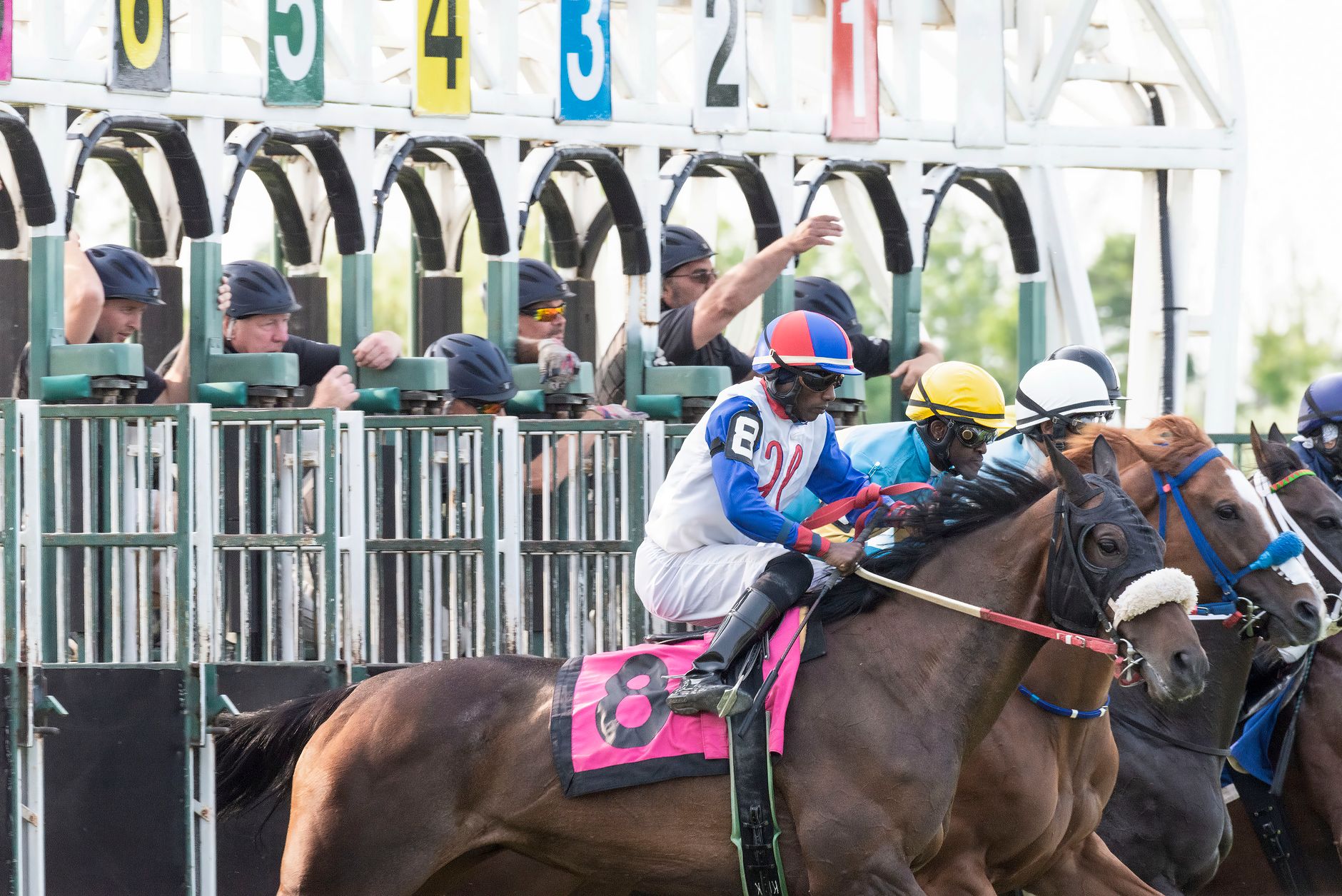
Exotic wagering accounts for a substantial portion of Australian racing handle, sitting well above the contribution you'd expect from a product that carries more complexity than a simple win bet. Trifectas, first fours, quadrellas, and daily doubles are not niche products. They are commercial cornerstones for totalisator operators and a meaningful differentiator for fixed-odds bookmakers who price them separately from the pool.
What exotic wagers actually are
The term "exotic" covers any bet requiring a punter to select more than one runner or more than one race outcome. Win and place markets are the baseline. Everything else is exotic. In Australian racing, the main products break into two groups: intra-race exotics (where all selections come from the same race) and multi-race exotics (where selections span two or more events).
Intra-race exotics include the exacta (first two in order), quinella (first two in either order), trifecta (first three in exact order), and first four (first four in exact order). Multi-race products include the daily double, running double, quadrella, and big six. Flexi betting, which lets punters nominate a percentage of a full combination, has made both categories accessible at lower stake levels.
How pool wagering drives exotic returns
Most exotic wagers in Australia settle through totalisator pools run by either TAB Queensland, TAB New South Wales, TAB Victoria, or their equivalents in smaller jurisdictions. The operator deducts a take-out percentage (commonly between 15 and 25 percent depending on the product and state), then divides the remaining pool among winning tickets.
That structure has a direct consequence for operators. Thoroughbred wagering in Australia generates larger pools than harness or greyhound codes, meaning trifecta and first four dividends in metropolitan races tend to be more stable and predictable than equivalent products on country or greyhound meetings. Shallow pools can produce volatile dividends: a first four on a greyhound provincial at 11 PM carries real price-swing risk that does not exist in a Saturday metro trifecta.
Race field legislation obligates bookmakers who offer exotic markets to contribute to racing bodies through product fees. The race field fee framework applies to exotic products alongside win and place markets, though the rates can differ by product type and code.
Fixed-odds exotics: a different commercial equation
Some bookmakers price exotic markets at fixed odds rather than pool prices. Fixed-odds exotics give punters a guaranteed return at bet acceptance, removing the pool risk. For operators, the trade-off is margin certainty against liability exposure. A boxed trifecta on a short-priced favourite-heavy race can create concentrated liability if the top three runners run in sequence.
Risk management on fixed-odds exotics sits closer to sports market trading than to standard pool wagering. Operators typically apply stake limits, box limits, and banker restrictions to control exposure. Some cap the number of runners a punter can include in a flexi combination before the system routes the bet to the pool instead.
Flexi betting and how it changed participation
Before flexi betting became standard, a boxed trifecta covering six runners cost a full unit stake multiplied by 120 combinations. That put the product out of reach for casual punters. Flexi changed the arithmetic: a punter can now buy 50 percent of a full combination at half the full-combination cost, receiving 50 percent of the dividend if the selection runs correctly.
The commercial result was a jump in trifecta and first four turnover as the accessible entry point dropped. It also shifted how operators think about average bet size. Flexi turnover typically shows lower per-bet amounts but higher ticket counts, which changes customer-level revenue modelling and aligns differently with player lifetime value metrics.
Multi-race exotics: quadrellas and running doubles
Multi-race exotics introduce a sequencing problem. A punter must not only pick the right runners but pick them across races that have not yet been run. If an earlier leg scratches after bet acceptance, most operators apply a substitute runner rule: the scratched runner's position transfers to the race favourite, or the pool carries a consolation arrangement.
The quadrella covers the last four races of a meeting, requiring the winner of each. Carryover rules apply when no ticket holds all four winners: the pool rolls to the next running of the event up to a jurisdictional cap, then distributes to the closest correct dividend. Operators need clear customer communication around carryover rules, because confused expectations generate complaints and sometimes regulatory scrutiny.
Running doubles, where two consecutive races must both produce the selected winner, are simpler to explain but produce smaller dividends. They work well as an introductory product because the two-leg structure is easy to understand and the investment is modest.
Operator considerations by racing code
The three racing codes have different exotic product availability and pool depth. Thoroughbred meetings at Group level carry all major exotics: trifecta, first four, quadrella, running double, and daily double pools all operate. Harness racing wagering supports trifectas and exactas routinely, but first four pools on harness meetings tend to be thinner, and quadrellas are available on selected metropolitan harness programmes rather than universally. Greyhound meetings offer trifectas widely but first four coverage varies by jurisdiction and field size.
Field size is the constraint. A first four requires at least four runners. Races with fewer than five starters create complications: the first four collapses to a trifecta, and operators must handle the refund or substitution process without friction. Automated pool management systems handle this in the background at TAB level, but operators building exotic products on their own platforms need the logic built into their settlement engine.
Regulatory and responsible gambling obligations
Exotic wagering products carry the same responsible gambling obligations as any other wagering market. Flexi betting in particular warrants attention, because the lower nominal cost per bet can mask cumulative spend. A punter placing 10 percent flexi combinations across six different trifecta legs has committed to a much larger aggregate exposure than the unit cost of any single ticket implies.
Operators are expected to surface activity statements that capture total spend rather than just individual bet amounts, so that flexi-heavy wagering patterns are visible in the customer record. Responsible gambling obligations around exotic products don't differ in law from those covering win markets, but the behavioural pattern of multi-combination flexi betting is worth factoring into harm-minimisation monitoring.
What operators need to get right
Four things consistently separate operators who run exotic products well from those who don't. First, pool integration: connecting to state TAB pools accurately and in real time avoids dividend discrepancies that erode trust quickly. Second, scratching and field-change handling: automated rules need to be correct and consistently applied. Third, customer explanation: exotic products lose customers when settlement outcomes aren't explained clearly. Fourth, risk controls on fixed-odds exotics: stake and combination limits need to be set and monitored, not left at defaults.
Exotic wagering is not a bolt-on. It runs on technical plumbing, actuarial discipline, and customer communication. Operators who treat it as a product afterthought typically see poor retention in the segment and elevated complaint rates around settlement queries.