Scratching in Australian racing: how late withdrawals affect wagering markets
A scratching in Australian racing can reshape an entire wagering market within minutes. The price adjustments, dividend recalculations, and operator obligations that follow are more complex than most punters realise.

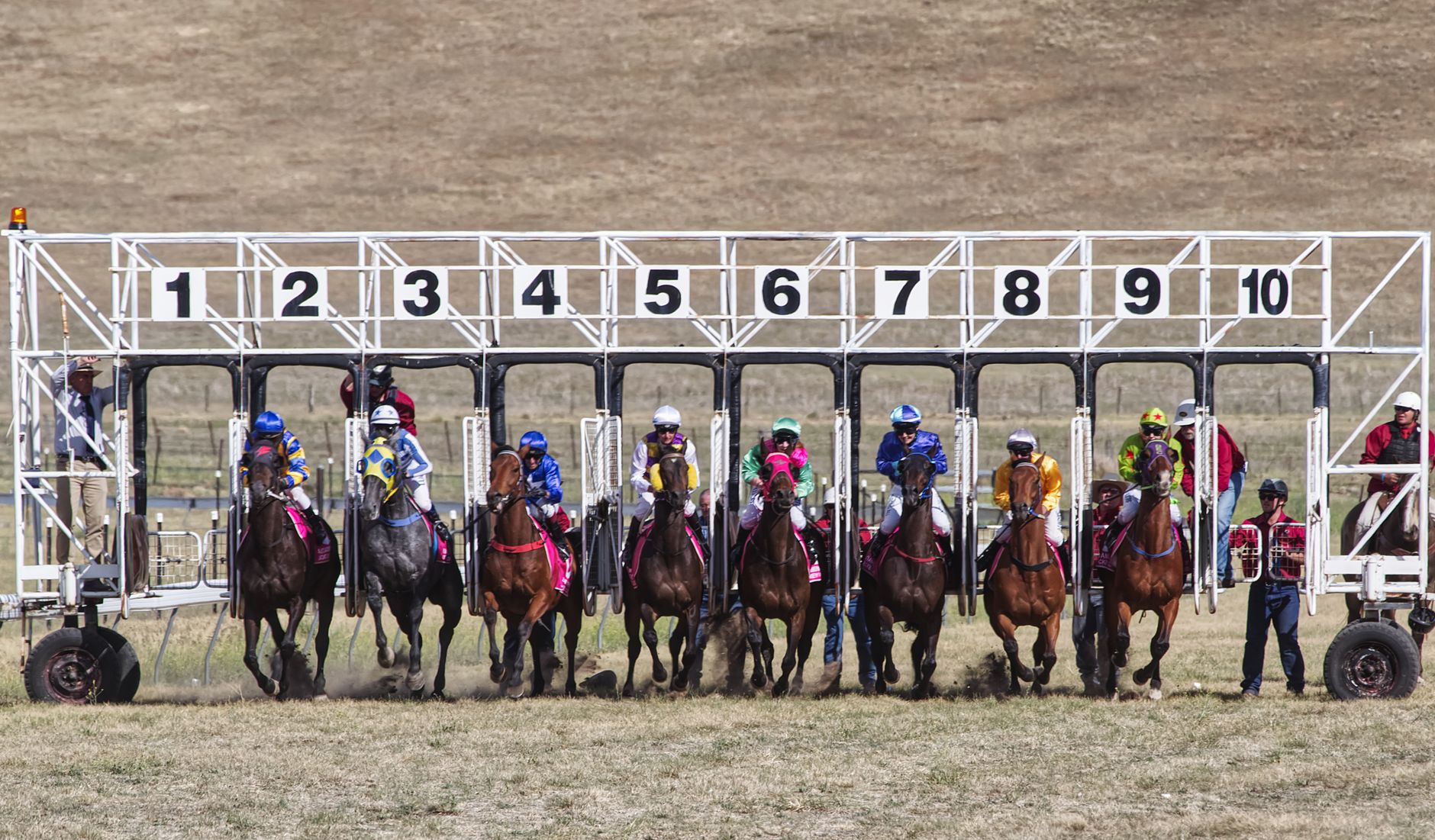
Photo by Mark Thomas on Pexels
A scratching lands differently depending on where you sit. For the trainer, it's often a welfare call. For the totalisator, it's a cascade of price recalculations. For the punter with a fixed-odds ticket on the scratched runner, it triggers a full refund. For the one holding an exotic multi that included that runner, the outcome is less clean. Australian racing handles scratchings through a detailed set of rules, and the wagering consequences touch every market type on the card.
What constitutes a scratching
A horse, greyhound, or harness runner is "scratched" when it is withdrawn from a race after the official acceptance deadline has passed. Scratching authority sits with stewards or, in some jurisdictions, with the racing club's handicapper depending on the timing and reason. Vets can certify a runner as unfit, which typically compels a withdrawal. Trainers can also request a scratching on welfare grounds, though late requests are subject to steward approval and can attract penalty if no sufficient reason is provided.
The timing of the scratching determines which rules apply. Scratching before the final field declaration has minimal market impact. Scratching after final fields but before race day gives the market time to readjust. A race-day scratching, particularly one that occurs after betting has opened, creates the most acute wagering consequences and attracts the most specific rulebook provisions.
How fixed-odds markets respond
In fixed-odds racing markets, a scratching triggers an immediate bookmaker review. The scratched runner's market share has to be redistributed. Bookmakers typically shorten remaining runners and reload their book to maintain margin. If the scratched runner was a heavily backed favourite, the second pick often tightens by several points within minutes of the news breaking. Some operators automate this recalculation through their pricing engines; others rely on a human trader to reprice the field.
The key protection for punters who had already placed a fixed-odds win or place bet on the scratched runner is a full stake refund. This is standard across all licensed Australian wagering operators and is not optional. What differs is speed. Refunds on some platforms process within seconds; on others they sit pending until the race result is confirmed. Neither is a compliance breach, but processing speed is a point of commercial differentiation.
Exotics on fixed odds behave differently. If a scratching occurs after a same-race multi has been confirmed, operators generally apply the scratching rule specific to that product. Many platforms substitute a scratched selection with the field or apply a dividend adjustment rather than refunding the entire multi. These rules are product-specific and operators are required to publish them in their terms and conditions before the bet is placed.
Totalisator and tote pooling implications
On the tote, a scratching triggers an automatic dividend recalculation. Because tote odds are determined by the pool, removing a runner removes the money bet on that runner from the denominator, and those stakes are refunded to their holders. The remaining pool is then distributed among the winning tickets. In practice this means a scratching can lift tote dividends for the runners who stay in, particularly if the scratched horse attracted significant money.
Tote pooling arrangements complicate this further. When Australian pools are linked to international totalisators, as they frequently are in major races, the pool administrator must reconcile the scratching with offshore participation. Tote pooling arrangements in Australian racing require the pool operator to communicate scratchings to international counterparts quickly enough to allow fair refund processing before the race goes off. Delays in that communication have caused dividend anomalies in the past.
Exotic wagering and the scratching rule
Exotics are where scratchings create the most confusion. In a trifecta, first four, or multi-leg exotic, the scratching rule typically replaces the scratched runner with the race favourite or the field, depending on the leg and the product. Exotic wagering mechanics vary between operators and between codes, so a punter holding a quaddie with a greyhound scratching in leg two may get a different resolution than one with a thoroughbred scratching under the same label.
Stewards' scratching rules are published by each state racing authority and are incorporated by reference into licensed wagering operator terms. The core principle is consistent: a punter should not be disadvantaged by a scratching that occurs after their bet was accepted in good faith. How that principle is applied varies enough to create genuine consumer confusion, and it surfaces regularly in dispute escalations to state racing bodies.
Late scratchings and race-day operations
A race-day scratching declared within 30 minutes of jump time is the most disruptive scenario for operators. At this point, in-play market suspension protocols activate, field displays need updating, and customer service teams typically see a spike in enquiries from punters who've placed exotic bets. Operators running their own risk desks will manually flag the field to prevent automated exotics from going live before the new barrier draw (if applicable) is confirmed.
Barrier redraws following a scratching add another variable. If a runner is removed from a small field, the remaining runners may hold their barriers or face a redraw depending on the race conditions. That redraw matters for punters who placed barrier draw bets before the scratching occurred. Barrier position is a priced variable, and a runner moved from gate three to gate one after a scratching has a materially different value proposition than the one the punter backed.
Operator obligations and communication
Licensed Australian wagering operators carry specific obligations when a scratching occurs. These include publishing the scratching on their platform promptly, issuing refunds within the timeframes prescribed by their state licence conditions, and updating all displayed markets to remove the withdrawn runner. Operators who continue to display a scratched runner as available to bet, even briefly, risk both customer detriment and regulatory exposure.
Communication standards differ. The largest operators push scratching notifications through app alerts, SMS, and email within two to three minutes of a stewards' decision. Smaller platforms may rely on web page refresh. The practical gap matters: a punter who bets on a runner in that communication window, before the platform has updated, is typically entitled to a refund regardless of the fixed-odds price displayed, as the bet was placed on an event that could not proceed as offered.
Scratching trends across codes
Scratching rates vary meaningfully across thoroughbred, harness, and greyhound racing. Greyhound scratchings tend to be higher in percentage terms relative to field size, partly because greyhound welfare protocols in several states have tightened considerably since 2021. Harness racing sits at the other end: late scratchings are less frequent because horse welfare and track condition decisions are made earlier in the race-day process.
Thoroughbred scratchings at metropolitan level are closely watched by racing bodies because they affect field sizes, gate takings, and media presentation. A scratching from a feature race field that drops below the minimum promotional field size can affect prize money distribution and sponsor obligations, not just wagering. Racing bodies publish scratching statistics as part of their integrity reporting, and operators use those figures to calibrate risk on fields with historically high scratching rates.
What punters need to know
Three things are worth confirming before placing an exotic bet in any Australian racing market. First, check the specific scratching rule for the product, not the general term. Same-race multis, quadrella legs, and trifectas each carry different resolution mechanics. Second, check the timing: a bet placed after the final field is declared but before the scratchings close sits in a different risk window to one placed race morning. Third, know your refund entitlement on fixed odds win and place bets. It's unconditional on a scratched runner and operators cannot withhold it.
The scratching rule is one of the most practically significant pieces of wagering fine print in Australian racing. It affects every code, every product type, and every punter who bets on fields that don't always finish as declared.